
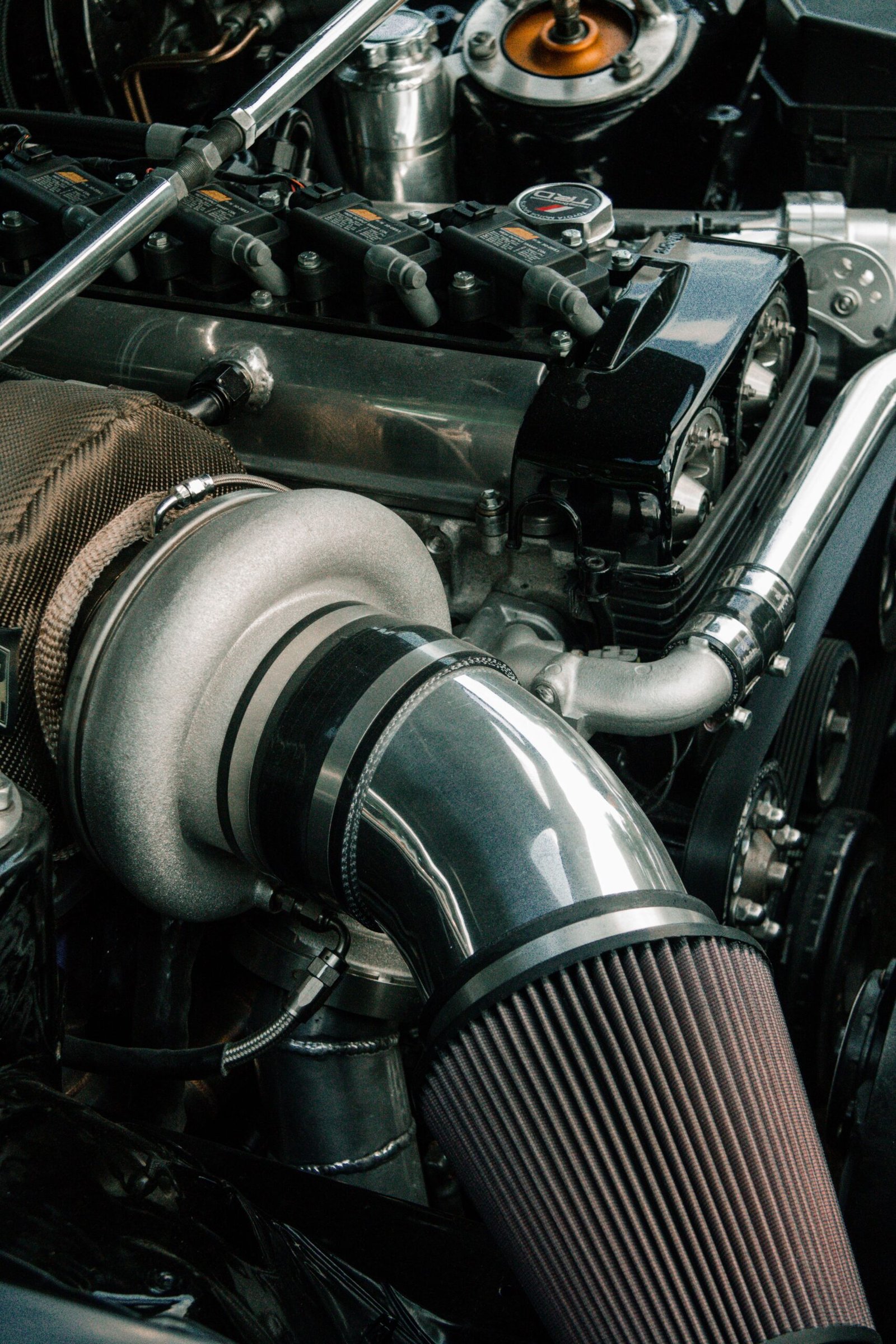
Your car needs clean air just as much as it needs clean fuel and fresh engine oil. Every time you drive, the engine pulls in air to help burn fuel and produce power. If that air passes through a dirty filter, the filter can become clogged with dust, dirt, and other debris.
Replacing your air filters might seem like a small thing, but it can make a difference in your car’s performance, fuel efficiency, and comfort. It’s also one of those maintenance jobs that doesn’t always require a trip to the mechanic.
Most cars have two main air filters: an engine air filter and a cabin air filter. Both serve different purposes, and keeping them clean helps your vehicle work the way it should.
Why Air Filters Matter
Air filters are designed to catch dust, dirt, leaves, and other particles before they cause problems. Without a proper filter, unwanted debris could enter parts of your car where it doesn’t belong.
A clean engine air filter allows air to flow properly into the engine. The cabin air filter, on the other hand, helps keep the air coming through your vents cleaner for you and your passengers.
Over time, both filters collect dirt. They don’t last forever, and leaving them in place for too long can affect how well they work.
Replacing them at the right time is an easy way to avoid unnecessary problems and keep your car running comfortably.
What Does an Engine Air Filter Do?
The engine air filter protects your engine from airborne particles such as dust, sand, insects, and small pieces of debris.
Your engine needs a steady supply of clean air to mix with fuel during combustion. When the air filter becomes heavily clogged, airflow may be restricted. Depending on the vehicle, this can affect engine performance, fuel economy, and throttle response.
A dirty air filter may also cause your car to feel less responsive, particularly when accelerating. However, not every performance issue comes from the air filter, so it’s worth checking other possible causes if the problem continues after replacement.
The filter is usually located inside a plastic housing near the engine. In many vehicles, you can access it by opening a few clips or removing some screws.
What Does a Cabin Air Filter Do?
The cabin air filter cleans the air entering your car through the heating, ventilation, and air conditioning system.
It helps trap dust, pollen, dirt, and other airborne particles before they reach the cabin. This is especially useful when driving through dusty streets, traffic, or areas with poor air quality.
A clogged cabin air filter can reduce airflow from your vents. You might notice that the air conditioner doesn’t blow as strongly as it used to, even when the fan speed is set high.
Replacing the cabin filter can help restore airflow and make your car’s interior more comfortable. Some cabin filters also contain activated carbon to help reduce certain odors.
How Often Should You Replace Air Filters?
The replacement schedule depends on your vehicle, the type of filter, and the conditions you drive in.
Many manufacturers recommend replacing the engine air filter somewhere around every 15,000 to 30,000 miles (24,000 to 48,000 km), while cabin air filters are often replaced around every 12,000 to 20,000 miles (19,000 to 32,000 km). These are general ranges, not fixed rules.
If you regularly drive in dusty areas, busy traffic, or on unpaved roads, your filters may need to be replaced sooner.
It’s a good idea to check both filters during routine servicing. Your owner’s manual will provide the recommended schedule for your specific car.
Signs Your Engine Air Filter Needs Replacing
A dirty engine air filter doesn’t always cause obvious symptoms, but there are a few things you may notice when it’s badly clogged.
Common signs include:
- Reduced acceleration or sluggish response
- Poorer fuel economy in some vehicles
- Dust and dirt visible on the filter
- Engine performance feeling less smooth than usual
- The filter looking heavily clogged or damaged
Modern engines can adjust to changing airflow conditions, so you may not notice a dramatic difference when the filter gets dirty. Don’t wait for performance problems before inspecting it.
Signs Your Cabin Air Filter Is Dirty
The cabin air filter often gives you more noticeable signs when it needs attention.
You may notice:
- Weak airflow from the air conditioning vents
- A musty or unpleasant smell inside the car
- More dust collecting in the cabin
- Windows fogging more easily in certain conditions
- The ventilation system seeming less effective
If the smell remains after changing the filter, there may be moisture or buildup elsewhere in the air conditioning system that needs to be checked.
How to Replace an Engine Air Filter
Replacing an engine air filter is fairly easy on many cars. You just need the correct replacement filter and a little time.
Step 1: Turn Off the Engine
Park your car safely, turn off the engine, and allow it to cool if you’ve been driving.
Step 2: Locate the Air Filter Housing
Look for the air filter box, usually a black plastic housing near the engine. If you’re unsure, check your owner’s manual.
Step 3: Open the Housing
Release the clips or remove the screws holding the housing closed. You may need a screwdriver for some models.
Step 4: Remove the Old Filter
Lift out the old filter carefully. Take note of how it sits inside the housing so you can install the new one in the same position.
Step 5: Clean the Housing
Use a clean, dry cloth to remove loose dirt from inside the air filter housing. Avoid pushing debris into the intake opening.
Step 6: Install the New Filter
Place the new filter into the housing. Make sure it fits properly around the edges and sits flat without gaps.
Step 7: Close the Housing
Reattach the cover and secure all clips or screws. Double-check that everything is properly closed before starting the engine.
How to Replace a Cabin Air Filter
On many vehicles, the cabin air filter is located behind the glove box. The exact location varies, but replacing it is usually a simple process.
- Open the glove box and remove any items inside.
- Release the glove box stops if necessary.
- Locate the cabin filter cover.
- Remove the cover and slide out the old filter.
- Check the airflow direction arrow on the replacement filter.
- Insert the new filter in the correct direction.
- Reinstall the cover and put the glove box back into place.
If the filter is difficult to access, check your owner’s manual or let a mechanic replace it.
Why You Shouldn’t Ignore Dirty Air Filters
Leaving clogged filters in your car for too long can reduce airflow and make the engine or ventilation system work less effectively.
A neglected cabin filter can make the interior feel stuffy and may reduce the effectiveness of your air conditioning. A heavily clogged engine filter can affect airflow and, depending on your vehicle, may contribute to reduced performance.
Air filters are relatively inexpensive compared with many car repairs. Replacing them on time is a simple way to keep your maintenance costs under control.
Final Thoughts
Replacing your car’s air filters is a small job that can have a noticeable effect on everyday driving. The engine air filter helps protect the engine and maintain proper airflow, while the cabin air filter helps keep the air inside your vehicle cleaner and the ventilation system working properly.
Check both filters regularly, follow your manufacturer’s recommended replacement schedule, and replace them sooner if you drive in dusty conditions.
At CarsHub.autos, we believe good car maintenance starts with paying attention to the little things. Clean air filters are one of those simple details that help keep your car running smoothly and make every drive a little more comfortable.