
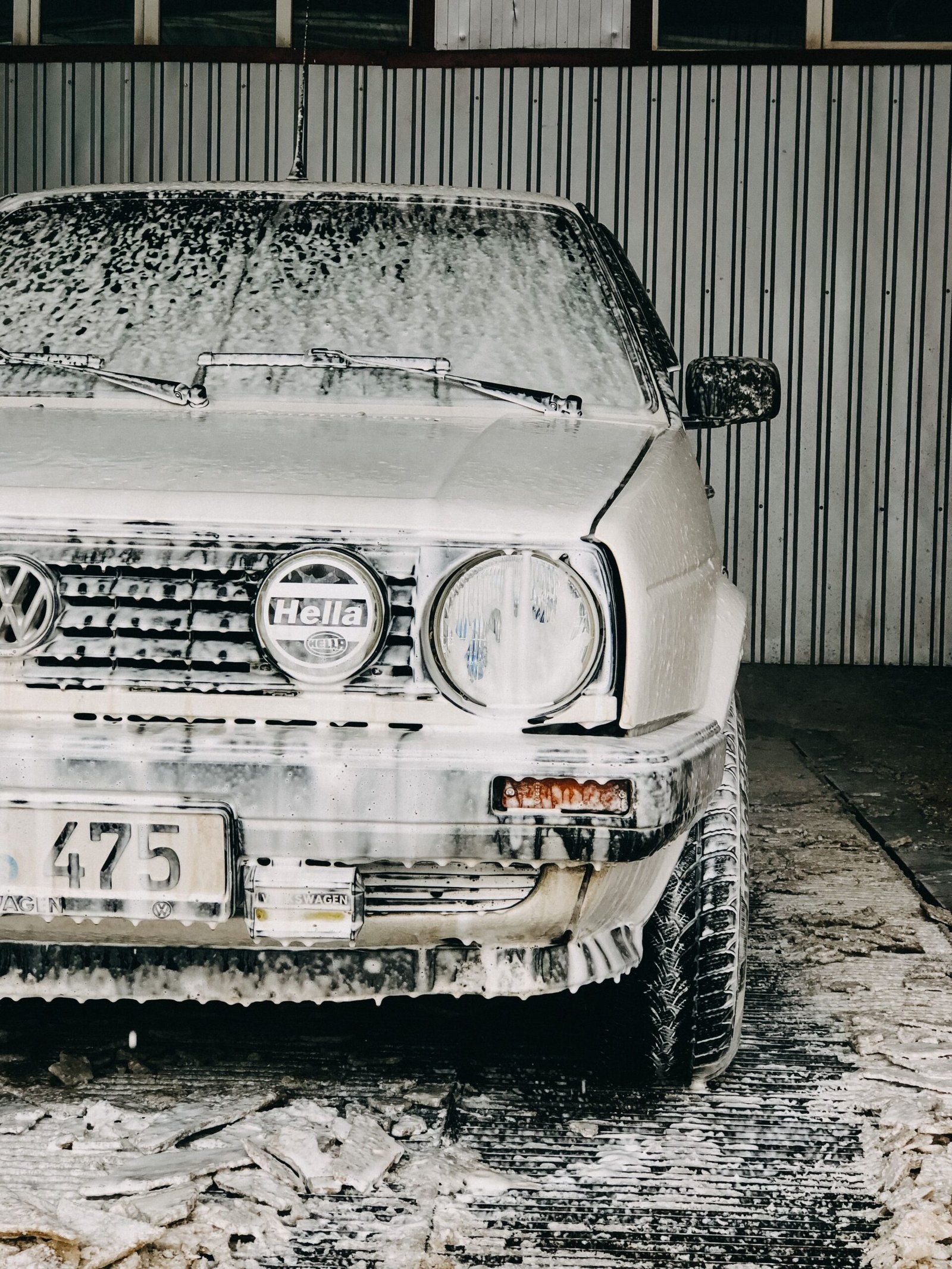
Your car picks up more dirt than you probably realize. Dust, mud, bird droppings, road salt, tree sap, and oily grime slowly build up on the paint every time you drive or park outside. Leaving all that dirt on your car for too long can do more than make it look bad. It can damage the paint, affect visibility, and make certain parts of your vehicle wear out faster.
Washing your car regularly is one of the easiest ways to keep it looking good and protect it from everyday damage. You don’t need an expensive detailing service every week. A simple wash using the right products and a little care is usually enough to keep your car in good shape.
Why Washing Your Car Regularly Matters
A clean car isn’t just about appearance. Dirt and grime can slowly affect your vehicle’s exterior if they’re left sitting for long periods.
Dust may seem harmless, but it can scratch the paint when rubbed against the surface. Bird droppings and tree sap can be particularly troublesome because they may damage the paint or leave stains if you don’t remove them in time.
Regular washing helps remove these contaminants before they become difficult to deal with. It also gives you a chance to notice small problems, such as scratches, paint chips, rust spots, or damaged lights.
Keeping your car clean can help you:
- Protect the paint from dirt and contaminants
- Reduce the chance of rust developing in damaged areas
- Maintain a fresh appearance
- Improve visibility by keeping windows, mirrors, and lights clean
- Make your car easier to inspect and maintain
- Preserve its appearance and resale value
A little cleaning now can save you time and effort later.
How Often Should You Wash Your Car?
There’s no single washing schedule that works for every driver. It depends on where you live, how often you drive, where you park, and the weather.
For most cars, washing every one to two weeks is a reasonable starting point. If you drive through muddy roads, construction areas, or dusty streets regularly, you may need to wash your car more often.
Cars parked outdoors are also more exposed to bird droppings, tree sap, rainwater residue, and sunlight. If you notice these things on your paint, it’s better to remove them sooner rather than wait for your next scheduled wash.
You don’t always need a full wash, either. Sometimes cleaning the windshield, mirrors, headlights, and dirty areas is enough to make your car safer for the next drive.
What Happens If You Don’t Wash Your Car?
Skipping car washes for a while may not seem like a big deal, but letting dirt build up for months can create problems.
Road grime can stick to the paint, while bird droppings and tree sap may leave marks that become harder to remove. Mud can also collect around wheel arches, under the car, and near drainage areas.
Over time, neglected dirt can contribute to paint damage and may hide scratches or rust spots that need attention.
A dirty windshield and side mirrors can reduce visibility, especially at night or during rainy weather. Headlights covered with grime may also produce less useful light, making it harder to see the road clearly.
Regular cleaning keeps these problems from getting out of hand.
The Right Way to Wash Your Car at Home
Washing your car at home is easy, but using the wrong method can leave scratches and swirl marks. The goal is to remove dirt without rubbing it into the paint.
1. Park in the Shade
Avoid washing your car under direct sunlight if possible. Hot surfaces cause water and soap to dry quickly, which can leave spots and streaks.
A shaded area makes washing and drying easier.
2. Rinse the Car First
Use clean water to rinse away loose dust, sand, and dirt. This is important because rubbing dry dirt across the paint can cause small scratches.
Pay extra attention to the lower doors, wheel arches, bumpers, and areas that collect mud.
3. Use Car Wash Shampoo
Choose a car shampoo designed for automotive paint. Avoid household dishwashing detergents because some can remove protective wax and leave the paint without the protection it needs.
Use a clean microfiber wash mitt or soft sponge.
4. Wash from Top to Bottom
Start with the roof, then move to the windows, hood, doors, and lower body panels. The bottom of your car usually carries the most dirt, so washing it last helps prevent spreading grime onto cleaner areas.
Rinse your mitt frequently to remove trapped dirt.
5. Clean the Wheels Separately
Wheels collect brake dust, mud, and road grime. Use a separate brush or cloth for them instead of using the same mitt you use on the paint.
If you have a dedicated wheel cleaner, make sure it’s safe for your wheel finish.
6. Rinse Thoroughly
Once you’ve finished washing, rinse the entire car to remove all soap residue. Don’t leave shampoo sitting on the paint or trim.
7. Dry with a Microfiber Towel
Use a clean, soft microfiber drying towel to remove water. Drying helps prevent water spots, especially if your local water contains minerals.
Avoid using rough cloths or old towels that may scratch the surface.
Don’t Forget the Interior
The outside of your car may look great, but the interior also needs regular cleaning.
Dust collects on the dashboard, air vents, door panels, and seats. Floor mats hold dirt, sand, and moisture that can make the cabin unpleasant over time.
During your regular cleaning routine:
- Vacuum the seats, carpets, and floor mats.
- Wipe the dashboard with a soft microfiber cloth.
- Clean the inside of your windows.
- Remove rubbish from door pockets and cup holders.
- Clean spills before they leave stains or odors.
You don’t have to deep-clean the interior every time you wash the exterior. A quick tidy-up between full cleanings can keep the cabin comfortable.
Protect Your Car After Washing
Washing removes dirt, but it doesn’t always provide long-term protection. If you want your paint to stay shiny and resist everyday contaminants, consider applying automotive wax or a paint sealant.
Wax can add a layer of protection and make future washes easier. You don’t need to apply it every time you wash your car. Follow the product instructions and choose something suitable for your paint finish.
Also, try to park in a covered area when possible. Shade can help reduce exposure to sunlight, while avoiding trees may prevent sap and bird droppings from landing on your car.
Common Car Washing Mistakes to Avoid
A few small mistakes can make washing less effective or even damage your car’s finish.
- Washing the car with a dry cloth
- Using dirty sponges or towels
- Cleaning under direct sunlight on hot paint
- Using household cleaners instead of car shampoo
- Scrubbing bird droppings without soaking them first
- Using the same cloth for wheels and body paint
- Leaving soap residue on the surface
Taking your time and using clean tools is usually better than rushing through the wash.
Final Thoughts
Washing your car regularly is a simple habit that helps protect its paint, keep the windows and lights clear, and make everyday driving more enjoyable. It also gives you a chance to spot small problems before they become expensive repairs.
You don’t need fancy equipment or a professional service every time. A bucket of clean water, proper car shampoo, a microfiber mitt, and a drying towel can do the job.
Make car washing part of your regular maintenance routine, and your vehicle will stay cleaner, look better, and be easier to care for over the years.
At CarsHub.autos, we believe taking care of your car doesn’t have to be complicated. Small habits, done regularly, can make a big difference.