
You don’t think much about your brakes until something feels wrong. Maybe the car takes longer to stop, you hear a strange squeaking sound, or the brake pedal feels different under your foot. These small changes can be early signs of a problem, and ignoring them can put you and others at risk.
Your brakes are one of the most important safety systems in your car. They work every time you slow down, stop at a traffic light, or deal with unexpected traffic. Checking them regularly can help you catch worn parts early, avoid expensive repairs, and feel more confident behind the wheel.
Brake maintenance isn’t something you should put off. A quick inspection now could make a big difference when you need to stop suddenly.
Why Checking Your Brakes Matters
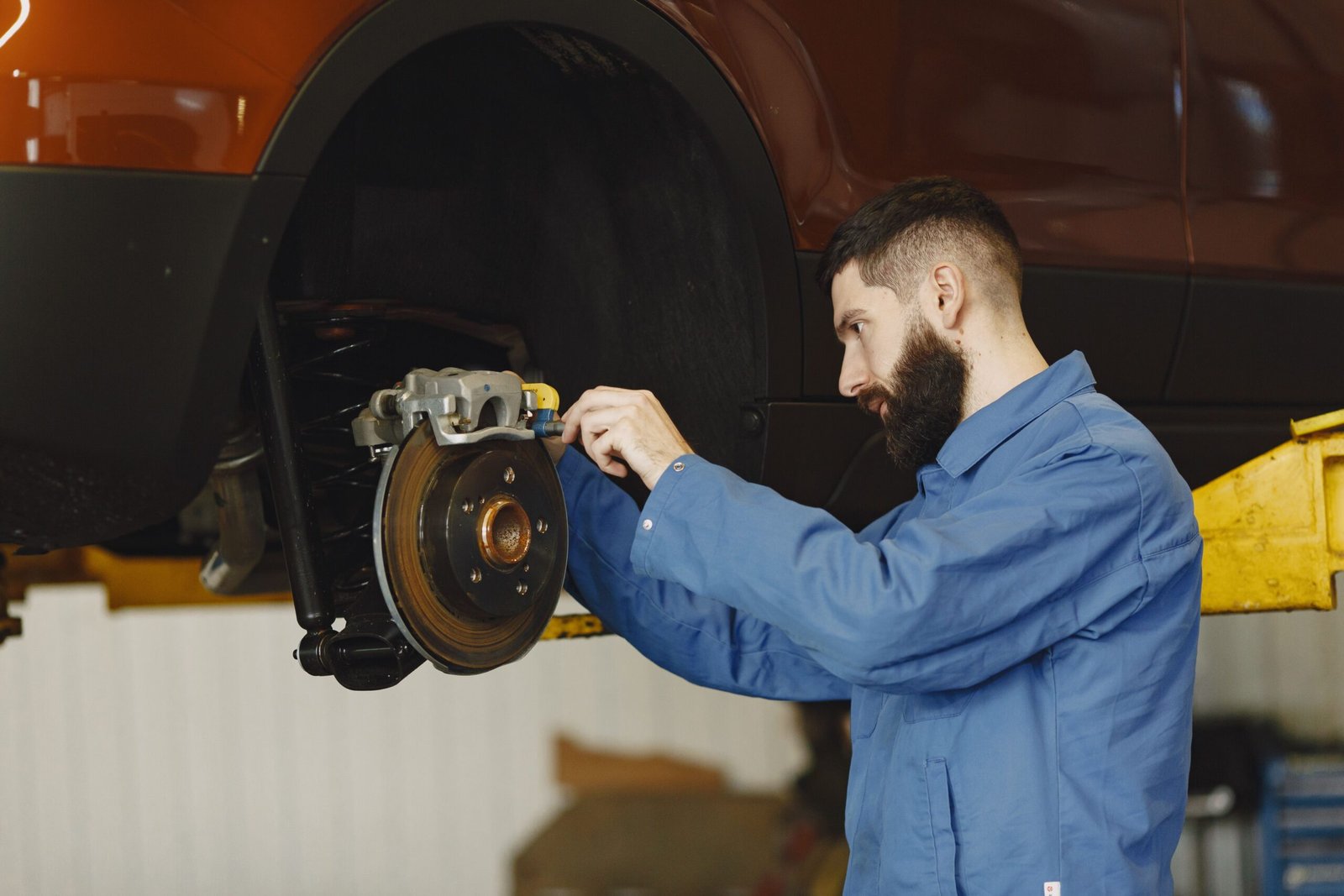
Your braking system is made up of several parts that work together to slow your car down. Depending on your vehicle, it may include brake pads, rotors, calipers, brake lines, and brake fluid.
When you press the brake pedal, these components help create friction that slows the wheels. Over time, parts naturally wear out, especially if you drive in heavy traffic or frequently stop and start.
Worn brake pads can reduce braking performance and eventually damage other components. A small issue that could have been fixed with a simple replacement may turn into a more expensive repair if you leave it too long.
Regular brake inspections help you:
- Maintain reliable stopping power
- Catch worn brake pads before they damage rotors
- Identify fluid leaks early
- Reduce the risk of brake failure
- Avoid unexpected repair bills
- Keep your passengers and other road users safer
Your brakes may seem fine during normal driving, but that doesn’t mean every component is in good condition.
How Often Should You Check Your Brakes?
It’s a good idea to have your brakes inspected during routine servicing or whenever you notice something unusual. Many drivers have their brakes checked every six months, but the right schedule depends on your vehicle, mileage, and driving conditions.
If you regularly drive through busy city traffic, use your brakes frequently, or travel on steep roads, your brake pads may wear faster.
You should also have your brakes checked when changing tires, rotating wheels, or taking your car in for an oil change. These are convenient times to inspect the braking system without making a separate trip to the workshop.
Don’t wait for your next scheduled service if you notice a warning sign. Brake problems deserve attention as soon as possible.
Signs Your Brakes Need Attention
Your car often gives you clues when something is wrong with the braking system. Learning to recognize these signs can help you take action before the problem gets worse.
1. Squeaking or Screeching Sounds
A high-pitched squeak when braking may mean your brake pads are wearing down. Some brake pads have a small wear indicator that makes noise when the pads become thin.
However, squeaking can also happen because of dust, moisture, or other issues. If the sound keeps returning, have your brakes inspected.
2. Grinding Noise
A grinding sound when you press the brake pedal is more serious. It may mean the brake pads have worn down far enough that metal parts are rubbing against each other.
Continuing to drive like this can damage the rotors and make repairs more expensive. Get the car inspected promptly and avoid driving if braking performance is affected.
3. Vibrations When Braking
If your steering wheel or brake pedal vibrates when you slow down, there may be a problem with the brake rotors or another component.
Don’t ignore repeated vibrations. A mechanic can check the system and determine what needs repair.
4. Soft or Spongy Brake Pedal
A brake pedal that feels unusually soft or sinks farther than normal can indicate a problem with the hydraulic braking system. Air in the brake lines, fluid issues, or leaks may be responsible.
This is not something to put off. If the pedal feels abnormal or braking is reduced, stop driving when safe and arrange professional assistance.
5. Car Pulling to One Side
If your car pulls left or right while braking, the braking force may not be even across the wheels. Sticking calipers, uneven pad wear, or other problems could be causing it.
It’s best to have this checked before continuing to drive normally.
What Should You Inspect?
You don’t need to take your brakes apart to notice some basic warning signs. A quick visual check can help you decide whether it’s time to visit a mechanic.
Look for:
- Brake pads that appear very thin
- Deep grooves or damage on visible rotors
- Brake fluid that is below the recommended level
- Wet areas around brake lines or near the wheels
- Warning lights on your dashboard
- Unusual noises during braking
Some brake components aren’t visible without removing a wheel, so a visual check from outside the car isn’t a complete inspection.
If you aren’t sure what you’re looking at, let a qualified mechanic check the braking system.
Why Brake Fluid Matters
Brake fluid plays an important role in helping your braking system work properly. When you press the pedal, brake fluid transfers pressure through the hydraulic system to the braking components at the wheels.
Over time, brake fluid can absorb moisture. This can reduce its performance and contribute to corrosion inside the braking system.
Low brake fluid may also be a sign of worn brake pads or a leak. Simply topping it up without finding the reason for the low level isn’t always the right solution.
Check your owner’s manual for the recommended brake fluid type and replacement interval. Never mix fluids unless your vehicle manufacturer specifically allows it.
How Your Driving Habits Affect Brake Wear
The way you drive has a big impact on how long your brakes last.
Frequent hard braking creates more heat and increases wear on brake pads and rotors. Driving too close to other vehicles also forces you to brake suddenly more often.
You can reduce unnecessary brake wear by:
- Keeping a safe distance from the vehicle ahead
- Slowing down gradually whenever possible
- Avoiding unnecessary acceleration and braking
- Using engine braking appropriately on downhill roads
- Paying attention to traffic instead of reacting at the last second
Smooth driving is easier on your brakes and can also help save fuel.
When Should You Replace Brake Pads?
Brake pads don’t have a fixed lifespan. Some last 20,000 miles, while others may last much longer depending on the car, pad material, and driving conditions.
Your mechanic can measure pad thickness and let you know whether they need replacing. If the pads are worn close to the manufacturer’s minimum limit, it’s better to replace them rather than wait for them to become completely worn out.
When replacing brake pads, the rotors should also be inspected. If they’re damaged, excessively worn, or outside their specifications, they may need attention too.
Final Thoughts
Checking your brakes regularly is one of the most important things you can do to keep your car safe. Brake pads wear gradually, brake fluid can deteriorate, and small problems can become serious if left unchecked.
Pay attention to strange noises, changes in pedal feel, vibrations, and warning lights. Have your braking system inspected during routine maintenance, and don’t delay repairs when something feels wrong.
At CarsHub.autos, we believe safe driving starts with taking care of the basics. Your brakes may not get much attention on an ordinary day, but when you need them, they have to work properly. A little maintenance can help make every journey safer for you, your passengers, and everyone else on the road.