
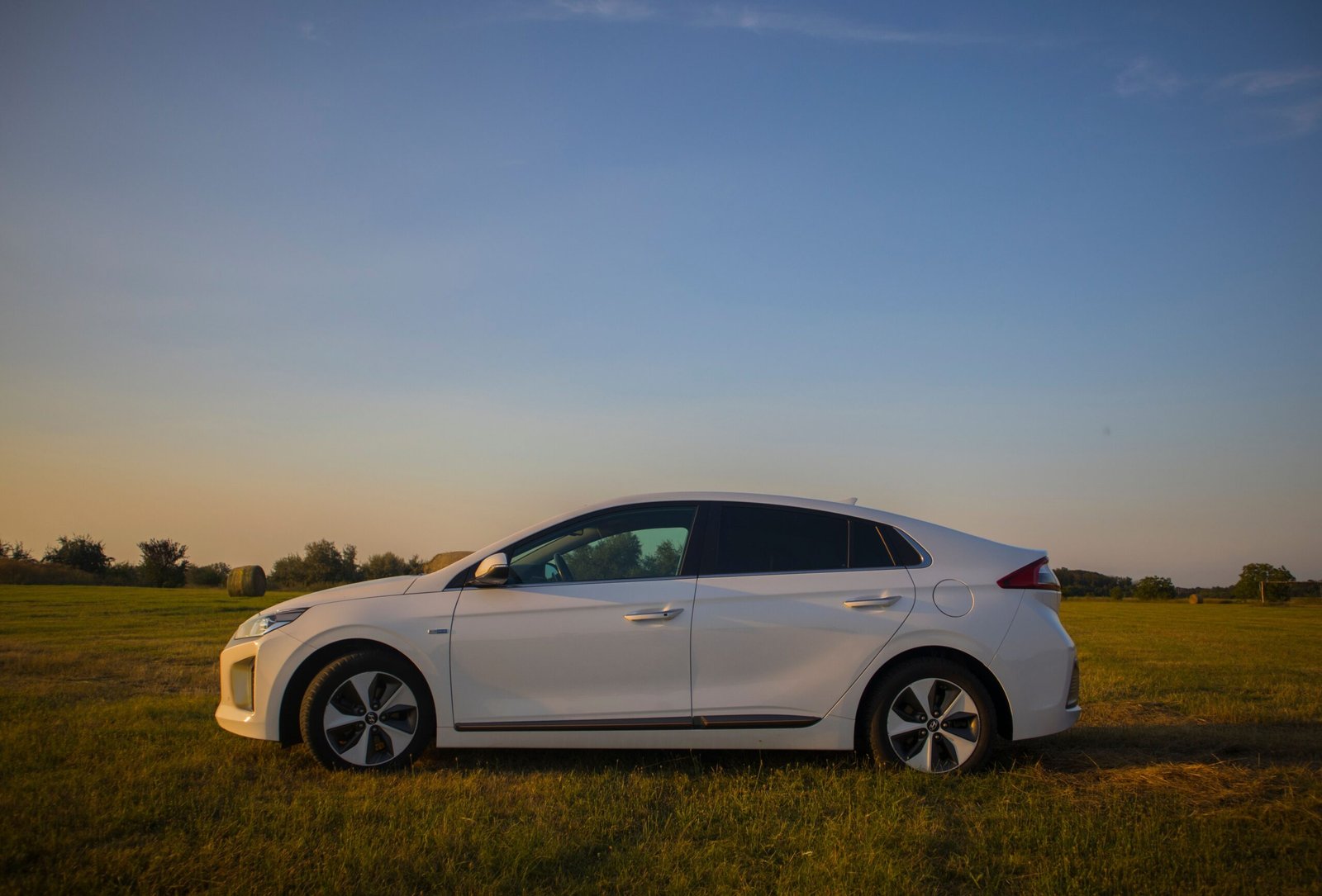
Hybrid cars have become increasingly popular as drivers look for ways to reduce fuel consumption, save money, and choose more environmentally friendly transportation. Combining a traditional petrol engine with an electric motor, hybrid vehicles offer an alternative between conventional petrol cars and fully electric vehicles.
In 2026, hybrid technology is becoming an important part of the automotive industry. Manufacturers such as Toyota, Honda, Hyundai, and Kia offer several hybrid models designed to improve fuel efficiency without requiring drivers to depend entirely on charging stations.
But how do hybrid cars actually work? Are they cheaper to operate? What are their disadvantages, and are they worth buying?
In this guide, we explain everything you need to know about hybrid cars, including their technology, benefits, costs, disadvantages, and suitability for everyday driving.
1. What Is a Hybrid Car?

A hybrid car is a vehicle that uses two power sources: a conventional internal combustion engine and an electric motor.
Most hybrid vehicles combine a petrol engine with an electric motor and a rechargeable battery.
The electric motor helps the petrol engine accelerate the vehicle, while the battery stores electrical energy for later use.
Unlike fully electric vehicles, conventional hybrids do not usually need to be plugged into an external charging station. Their batteries are charged through the petrol engine and regenerative braking.
The main purpose of hybrid technology is to improve fuel efficiency, reduce fuel consumption, and lower exhaust emissions.
Popular hybrid models include the Toyota Prius, Toyota Corolla Hybrid, Honda Civic Hybrid, and Hyundai Elantra Hybrid.
2. How Do Hybrid Cars Work?

Hybrid vehicles use an intelligent system to manage electricity and petrol according to driving conditions.
The vehicle automatically switches between its power sources or combines them when additional power is needed.
Here is how the process generally works:
- Starting: The electric motor may start the vehicle, depending on battery charge and operating conditions.
- Low-speed driving: The vehicle may operate using electric power alone when conditions allow.
- Acceleration: The petrol engine and electric motor can work together to provide additional power.
- Cruising: The system selects an efficient combination of petrol and electric power.
- Braking: Regenerative braking captures some movement energy and converts it into electricity.
- Battery charging: The vehicle manages battery charging through its engine and regenerative braking system.
This automatic power management helps hybrid vehicles use fuel more efficiently, particularly in stop-and-go traffic.
3. Types of Hybrid Cars
Not all hybrid vehicles operate in the same way. There are three main categories.
A. Mild Hybrid (MHEV)

A mild hybrid uses a small electric motor or starter-generator to assist the petrol engine.
It cannot normally drive the vehicle using electric power alone.
Benefits include:
- Improved fuel efficiency.
- Smoother engine start-stop operation.
- Additional assistance during acceleration.
- Smaller battery requirements.
Mild hybrids are generally less expensive than full hybrids.
B. Full Hybrid (HEV)

A full hybrid can operate using its petrol engine, electric motor, or both.
It can travel short distances using electric power alone under suitable conditions.
The battery charges automatically through regenerative braking and the engine.
Toyota Prius and Toyota Corolla Hybrid are well-known examples.
C. Plug-in Hybrid (PHEV)

A plug-in hybrid combines a petrol engine with a larger rechargeable battery.
Unlike conventional hybrids, it can be connected to an external electricity supply.
Its larger battery allows it to travel longer distances using electric power alone.
Advantages include:
- Electric-only driving for suitable journeys.
- Petrol backup for longer trips.
- Reduced petrol consumption when regularly charged.
- Flexible transportation options.
However, plug-in hybrids generally cost more and require access to charging facilities to achieve their full efficiency benefits.
4. Benefits of Hybrid Cars

Hybrid vehicles offer several advantages that make them attractive to modern drivers.
Better Fuel Efficiency
One of the biggest benefits is improved fuel economy.
The electric motor assists the petrol engine, reducing the amount of fuel required during certain driving conditions.
Hybrids are particularly efficient in city traffic, where frequent braking and acceleration allow them to recover and reuse energy.
Lower Running Costs
Because hybrid vehicles generally consume less petrol than comparable conventional cars, owners can potentially save money on fuel.
The actual savings depend on driving distance, traffic conditions, fuel prices, and vehicle efficiency.
No Charging Station Required
Conventional hybrid vehicles do not need external charging.
Their batteries recharge automatically through regenerative braking and the vehicle’s engine.
This makes them convenient for drivers who do not have access to home or public charging facilities.
Reduced Exhaust Emissions
Hybrid vehicles generally produce fewer tailpipe emissions than comparable petrol-only cars because they use less fuel.
They can help reduce urban air pollution, although they still produce emissions when their combustion engines operate.
Quiet and Smooth Driving
Hybrid cars can operate using electric power alone under suitable conditions.
This makes them quieter during certain driving situations, especially at low speeds.
5. Disadvantages of Hybrid Cars
Despite their advantages, hybrid vehicles also have some limitations.

Higher Purchase Price
Hybrid models can cost more than their conventional petrol equivalents.
The additional battery, electric motor, power electronics, and control systems contribute to manufacturing costs.
Buyers should calculate whether expected fuel savings justify the additional purchase price.
Expensive Battery Repairs
The hybrid battery is an important and potentially expensive component.
Although modern batteries are designed to last many years, they gradually lose capacity.
Replacing a hybrid battery outside warranty can involve significant expenses.
More Complex Technology
Hybrid vehicles combine conventional engine systems with electric motors, batteries, and electronic control units.
This makes certain repairs more complicated than those on traditional petrol vehicles.
Specialized diagnostic equipment and trained technicians may be required.
Limited Electric-Only Driving
Conventional hybrids generally have relatively small batteries.
They can travel short distances using electric power under suitable conditions, but they are not designed for extended electric-only journeys.
Potentially Higher Repair Costs
Some hybrid-specific components, including inverters and high-voltage battery systems, can be expensive to repair.
However, this does not mean every hybrid requires more maintenance. Routine maintenance is often lower than for comparable petrol vehicles.
6. How Much Does It Cost to Own a Hybrid Car?
The total ownership cost depends on the vehicle model, purchase price, fuel consumption, maintenance, insurance, and battery warranty.
Here are the main expenses to consider:
| Expense | Hybrid Cars |
|---|---|
| Purchase price | Often higher |
| Petrol consumption | Generally lower |
| Engine oil changes | Required |
| Battery maintenance | Periodic inspection |
| Brake maintenance | Potentially reduced wear |
| Insurance | Depends on vehicle value |
| Major repairs | Model-dependent |
| Battery replacement | Potentially expensive |
To determine whether a hybrid is financially worthwhile, compare its purchase price with an equivalent petrol vehicle.
For example, if a hybrid costs more initially but saves a meaningful amount on petrol every month, the fuel savings may eventually recover the additional investment.
7. Hybrid Cars vs Petrol Cars vs Electric Cars
Understanding the differences between these three technologies can help you choose the right vehicle.
| Feature | Hybrid | Petrol | Electric |
|---|---|---|---|
| Power source | Petrol + electricity | Petrol | Electricity |
| External charging | Usually unnecessary | No | Required |
| Fuel expenses | Generally lower | Higher | No petrol |
| Maintenance | Moderate | Regular engine servicing | Usually less routine maintenance |
| Driving range | Generally long | Generally long | Battery-dependent |
| Tailpipe emissions | Reduced | Higher | None |
| Battery | Small or medium | Small starter battery | Large battery |
A conventional hybrid offers a balance between petrol convenience and electric assistance. A fully electric vehicle eliminates petrol consumption, while a conventional petrol car offers familiar technology and widespread servicing support.
8. Are Hybrid Cars Worth Buying in Pakistan in 2026?
Hybrid vehicles are particularly interesting for Pakistani drivers because many cities experience heavy traffic and frequent stop-and-go driving.
In these conditions, hybrid technology can provide significant fuel-efficiency benefits.
Popular hybrid models worth considering include:

Toyota Corolla Cross Hybrid
A practical crossover offering hybrid efficiency and family-friendly space.

Toyota Prius
A well-known hybrid focused on fuel efficiency and everyday commuting.

Honda Civic e:HEV
Combines hybrid technology with a comfortable sedan driving experience.

Haval H6 HEV
A hybrid SUV option with modern technology and additional passenger space.
Before purchasing, check current local prices, taxes, availability, battery warranty, and authorized service support. These can significantly affect ownership costs.
PakWheels Blog
+1
9. Tips for Maintaining a Hybrid Car
Proper maintenance helps keep a hybrid vehicle reliable and efficient.
Follow these recommendations:
- Follow the manufacturer’s engine oil replacement schedule.
- Have the hybrid battery inspected periodically.
- Keep the cooling system clean and properly maintained.
- Avoid blocking hybrid battery cooling vents.
- Use the recommended engine oil and fluids.
- Check tire pressure regularly.
- Have the brakes inspected during scheduled servicing.
- Use qualified hybrid technicians for high-voltage repairs.
- Check battery warranty conditions.
- Maintain a complete service history.
Never attempt to open or repair high-voltage battery components yourself. These systems can present serious electrical hazards.
10. Who Should Buy a Hybrid Car?
A hybrid vehicle can be an excellent choice for drivers who want better fuel efficiency without completely changing their driving habits.
A hybrid may suit you if:
- You frequently drive in city traffic.
- You want to reduce petrol expenses.
- You do not have access to EV charging stations.
- You regularly travel longer distances.
- You want quieter operation and smoother acceleration.
- You can afford the initial purchase price.
A conventional petrol car may be better if:
- Your purchasing budget is limited.
- You drive relatively few kilometres.
- Hybrid servicing is difficult to access locally.
- The hybrid’s additional purchase cost is unlikely to be recovered through fuel savings.
A plug-in hybrid may be worth considering if you have home charging and regularly make short journeys.
Conclusion: Are Hybrid Cars Worth It?
Hybrid cars combine petrol engines and electric motors to deliver improved fuel efficiency, smoother performance, and reduced fuel consumption.
Their biggest advantages include lower petrol expenses, regenerative braking, reduced emissions, and the convenience of not needing an external charging station.
However, higher purchase prices, battery replacement expenses, and more complex technology are important disadvantages to consider.
For Pakistani drivers, hybrids can be particularly useful in congested cities where frequent braking and acceleration allow the electric motor to contribute more effectively.
Final verdict: Hybrid cars are an excellent middle ground between traditional petrol vehicles and fully electric cars. If you drive regularly, want better fuel economy, and have access to reliable hybrid servicing, a hybrid could be a smart long-term investment.
The key is to compare the total ownership cost rather than choosing a hybrid simply because it promises better fuel mileage.