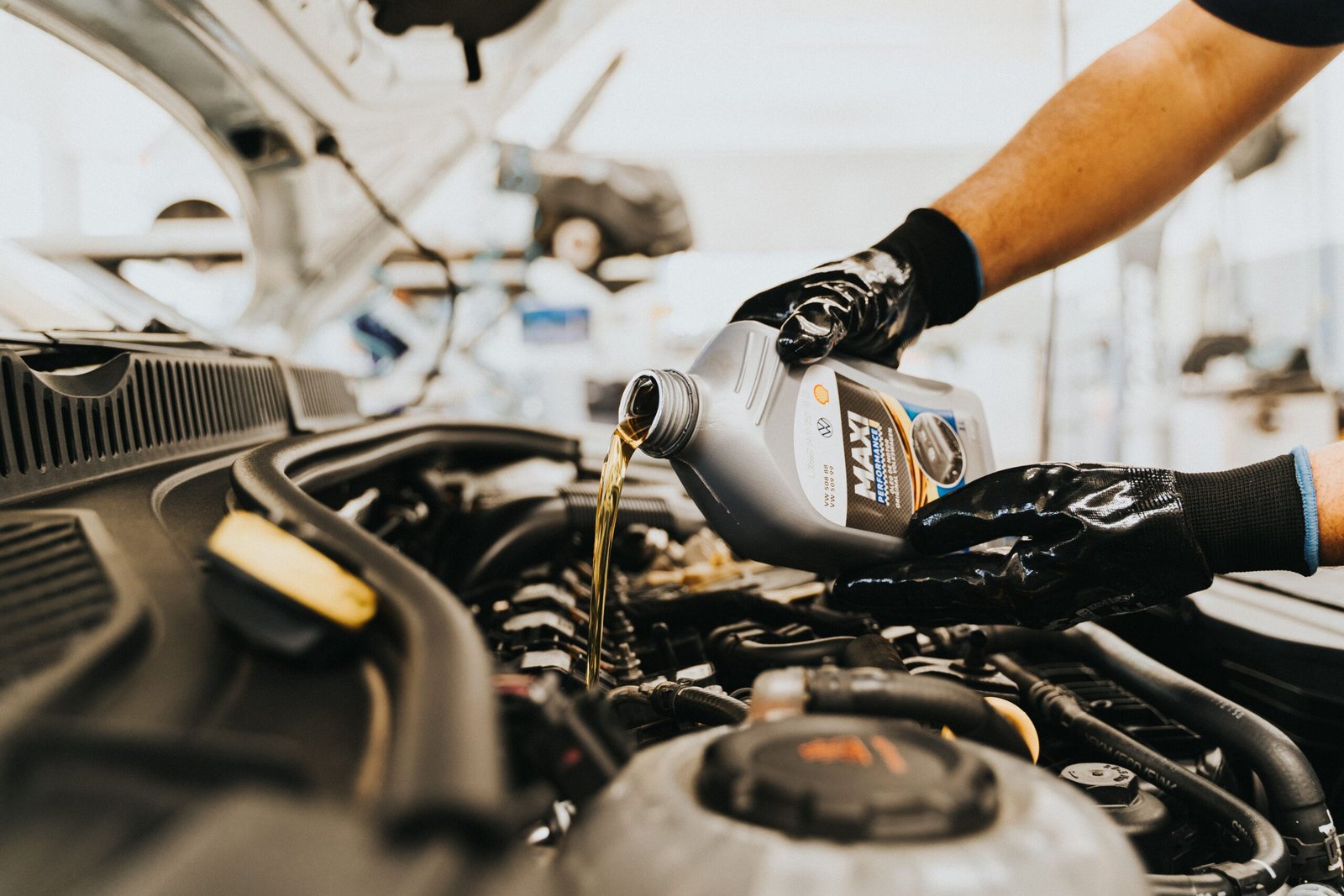
Regular engine oil changes are one of the most important parts of vehicle maintenance. Engine oil protects internal engine components, reduces friction, controls heat, and helps keep the engine clean. Without proper lubrication, an engine can experience excessive wear, overheating, and potentially expensive mechanical damage.
However, one question confuses many car owners: How often should you change your car engine oil?
Some drivers believe engine oil must be replaced every 3,000 kilometres, while others follow a 5,000- or 10,000-kilometre interval. The truth is that the correct oil change frequency depends on several factors, including the vehicle model, engine type, oil quality, driving conditions, and manufacturer’s recommendations.
In 2026, modern engines and advanced synthetic oils allow many vehicles to operate longer between oil changes. Nevertheless, regular oil inspections and following the correct maintenance schedule remain essential.
In this guide, we explain how often you should change engine oil, which oil type is best, and how to recognize signs that your vehicle needs fresh oil.
1. How Often Should You Change Engine Oil?
The ideal engine oil replacement interval depends primarily on your vehicle manufacturer’s recommendations and the type of oil used.
Here are general guidelines for different engine oil types:
| Engine Oil Type | General Replacement Interval |
|---|---|
| Conventional mineral oil | 5,000 km or 6 months |
| Semi-synthetic oil | 7,000–8,000 km or 6 months |
| Fully synthetic oil | 8,000–12,000 km or 6–12 months |
These intervals are general estimates, not universal requirements. Some modern vehicles specify longer intervals, while certain engines require more frequent oil changes.
Always follow the vehicle manufacturer’s recommended oil specification and service schedule.
For example, a vehicle designed for fully synthetic oil may require a particular viscosity and performance standard. Using the wrong oil can negatively affect engine protection.
Important: Change your engine oil according to whichever applicable mileage or time limit comes first, unless your owner’s manual specifies otherwise.
2. Understanding Different Types of Engine Oil
Choosing the right engine oil is just as important as changing it at the correct time.
There are three common categories of engine oil.
Conventional Mineral Oil
Conventional oil is produced through petroleum refining and is generally more affordable than synthetic alternatives.
It is commonly used in older vehicles and certain engines designed for mineral-based lubrication.
Advantages include:
- Lower purchase cost.
- Suitable for compatible older engines.
- Widely available.
- Useful for vehicles with straightforward lubrication requirements.
However, conventional oil generally provides less resistance to oxidation and thermal breakdown than high-quality synthetic alternatives.
Semi-Synthetic Oil
Semi-synthetic oil combines conventional base oil with synthetic components.
It offers a balance between affordability and performance.
Benefits include:
- Better protection than many conventional oils.
- Improved resistance to temperature changes.
- Competitive pricing.
- Suitable for many everyday vehicles when approved by the manufacturer.
It can be a practical choice for drivers who want improved protection without paying for premium synthetic oil.
Fully Synthetic Oil
Fully synthetic oil is engineered to provide consistent lubrication and protection under demanding operating conditions.
It is commonly recommended for modern engines, turbocharged vehicles, and certain high-performance applications.
Benefits include:
- Excellent temperature stability.
- Improved resistance to oxidation.
- Strong protection against engine wear.
- Better performance in demanding driving conditions.
- Potentially longer replacement intervals when approved by the manufacturer.
Although fully synthetic oil usually costs more, it can offer excellent long-term value.
3. Why Is Regular Engine Oil Replacement Important?
Engine oil performs several essential functions that keep your vehicle operating efficiently.
Reduces friction: Engine oil creates a protective lubricating film between moving components, reducing metal-to-metal contact.
Controls engine temperature: Oil helps carry heat away from important internal engine components.
Removes contaminants: It helps suspend dirt, carbon deposits, and microscopic particles so that the oil filter can capture them.
Prevents corrosion: Quality engine oil contains additives that help protect internal components against corrosion.
Improves engine performance: Proper lubrication helps reduce unnecessary friction and supports smooth engine operation.
Over time, engine oil becomes contaminated and its protective additives gradually deteriorate. Replacing it at the correct interval helps maintain effective engine protection.
4. Signs That Your Car Needs an Oil Change
Your vehicle may show several warning signs when engine oil becomes degraded or insufficient.
Look out for these common symptoms:
1. Dark or Dirty Engine Oil
Fresh engine oil is generally amber or golden, although its color varies depending on the formulation.
As oil circulates through the engine, it collects contaminants and often becomes darker.
Dark oil alone does not necessarily mean it needs immediate replacement. Check its condition, mileage, and service history together.
2. Unusual Engine Noise
Insufficient or degraded oil can contribute to increased friction and engine noise.
If you hear unusual knocking, ticking, or grinding sounds, stop and investigate rather than assuming an oil change alone will solve the problem.
3. Oil Warning Light
The red oil-pressure warning light is a serious warning.
It may indicate low oil pressure, which can result from insufficient oil, a leak, a faulty sensor, or another mechanical problem.
Stop safely and switch off the engine. Do not continue driving until the cause has been identified.
4. Burning Oil Smell
A burning oil smell may indicate an oil leak onto hot engine components or another engine-related problem.
Have the vehicle inspected if the smell continues.
5. Increased Oil Consumption
If you frequently need to add engine oil between services, your vehicle may have an oil leak or be burning oil internally.
Monitor the oil level and arrange a professional inspection.
5. How Driving Conditions Affect Oil Change Frequency
Not every driver uses their vehicle under the same conditions. Your driving environment can significantly influence engine oil life.
Certain conditions are considered severe driving conditions by vehicle manufacturers.
These include:
- Frequent stop-and-go traffic.
- Repeated short-distance journeys.
- Driving in dusty environments.
- Extended idling.
- Frequent towing or carrying heavy loads.
- Extremely high or low temperatures.
- Regular driving on rough roads.
For example, a vehicle driven mostly on open highways may experience different oil degradation compared with one that spends hours in congested city traffic.
In Pakistan, drivers may encounter heavy traffic, dusty roads, and high summer temperatures. These conditions make it particularly important to follow the manufacturer’s severe-service maintenance recommendations where applicable.
6. How to Check Your Car’s Engine Oil at Home
Checking engine oil is a simple maintenance task that most drivers can perform themselves.
Follow these steps:
- Park your vehicle on level ground.
- Switch off the engine and allow it to cool or settle according to the manufacturer’s instructions.
- Locate the engine oil dipstick.
- Remove the dipstick and wipe it clean with a lint-free cloth.
- Insert it fully into its tube.
- Remove it again and check the oil level.
- Confirm that the level is between the minimum and maximum marks.
- Add the correct oil gradually if necessary, without overfilling.
Some modern vehicles do not have a conventional dipstick and instead use an electronic oil-level monitoring system.
Always consult the owner’s manual for the correct checking procedure.
Safety tip: Never open the engine oil filler cap or touch hot engine components while the engine is extremely hot.
7. What Happens If You Delay an Oil Change?
Ignoring scheduled oil changes can create serious problems over time.
As engine oil ages, it can lose some of its lubricating and protective properties. Contaminants may accumulate, and deposits can form inside the engine.
Potential consequences include:
- Increased internal engine wear.
- Sludge formation.
- Reduced lubrication efficiency.
- Higher operating temperatures.
- Reduced engine performance.
- Damage to critical engine components.
- Expensive engine repairs.
In extreme cases, severe oil degradation or insufficient lubrication can cause engine failure.
Delaying an oil change occasionally does not automatically mean your engine is damaged. However, consistently neglecting maintenance significantly increases the risk of mechanical problems.
8. Should You Change Your Oil Every 3,000 or 5,000 Kilometres?
Many drivers still follow the traditional 3,000-kilometre oil change rule.
While this interval may be appropriate for certain older engines, conventional oils, or demanding operating conditions, it is unnecessarily frequent for many modern vehicles.
A 5,000-kilometre interval is also common in markets where driving conditions are demanding or where manufacturers specify shorter service schedules.
Modern vehicles using approved synthetic oils may allow significantly longer intervals.
For example:
- Older vehicles may require more frequent oil changes.
- Many conventional-oil applications use intervals around 5,000 kilometres.
- Some synthetic-oil applications allow 8,000–12,000 kilometres or more.
- Certain modern vehicles use oil-life monitoring systems to determine when servicing is needed.
The best approach is to follow your owner’s manual rather than relying on a universal mileage rule.
9. How Much Does an Engine Oil Change Cost?
The cost of changing engine oil depends on several factors, including:
- Vehicle make and model.
- Engine capacity.
- Required oil quantity.
- Oil brand and specification.
- Oil filter quality.
- Labour charges.
- Workshop location.
Synthetic oil generally costs more than conventional mineral oil. However, the correct choice should depend on manufacturer approval rather than price alone.
In Pakistan, drivers should also be careful when purchasing engine oil because counterfeit and improperly stored products can create serious engine problems.
Buy oil from reputable retailers or authorized distributors, check packaging and authenticity information, and request a proper service receipt.
10. Best Practices for Keeping Your Engine Oil in Good Condition
Following a few simple habits can help protect your engine and maintain reliable performance.
- Check your engine oil level regularly.
- Use the manufacturer-recommended oil viscosity.
- Select oil that meets the required performance specification.
- Replace the oil filter whenever the oil is changed, unless the manufacturer specifies otherwise.
- Avoid overfilling the engine.
- Check for oil leaks.
- Keep a record of oil changes and vehicle mileage.
- Use reputable service centers and genuine-quality products.
- Follow severe-service maintenance recommendations when applicable.
Remember that expensive engine oil is not automatically the best option for every vehicle. Compatibility and manufacturer approval matter most.
Conclusion: When Should You Change Your Car Engine Oil?
For most drivers, engine oil should be changed according to the vehicle manufacturer’s recommended mileage or time interval.
As a general guideline, conventional oil may require replacement around every 5,000 kilometres, while some synthetic-oil applications can allow 8,000–12,000 kilometres or longer.
However, these figures vary considerably depending on the vehicle, engine design, oil specification, and driving conditions.
Regularly checking oil levels, using the correct lubricant, replacing the oil filter, and maintaining a consistent servicing schedule can help extend engine life and prevent expensive repairs.
The most important rule is simple: never guess when it comes to engine oil. Follow your owner’s manual, use the correct oil, and maintain your vehicle consistently.