
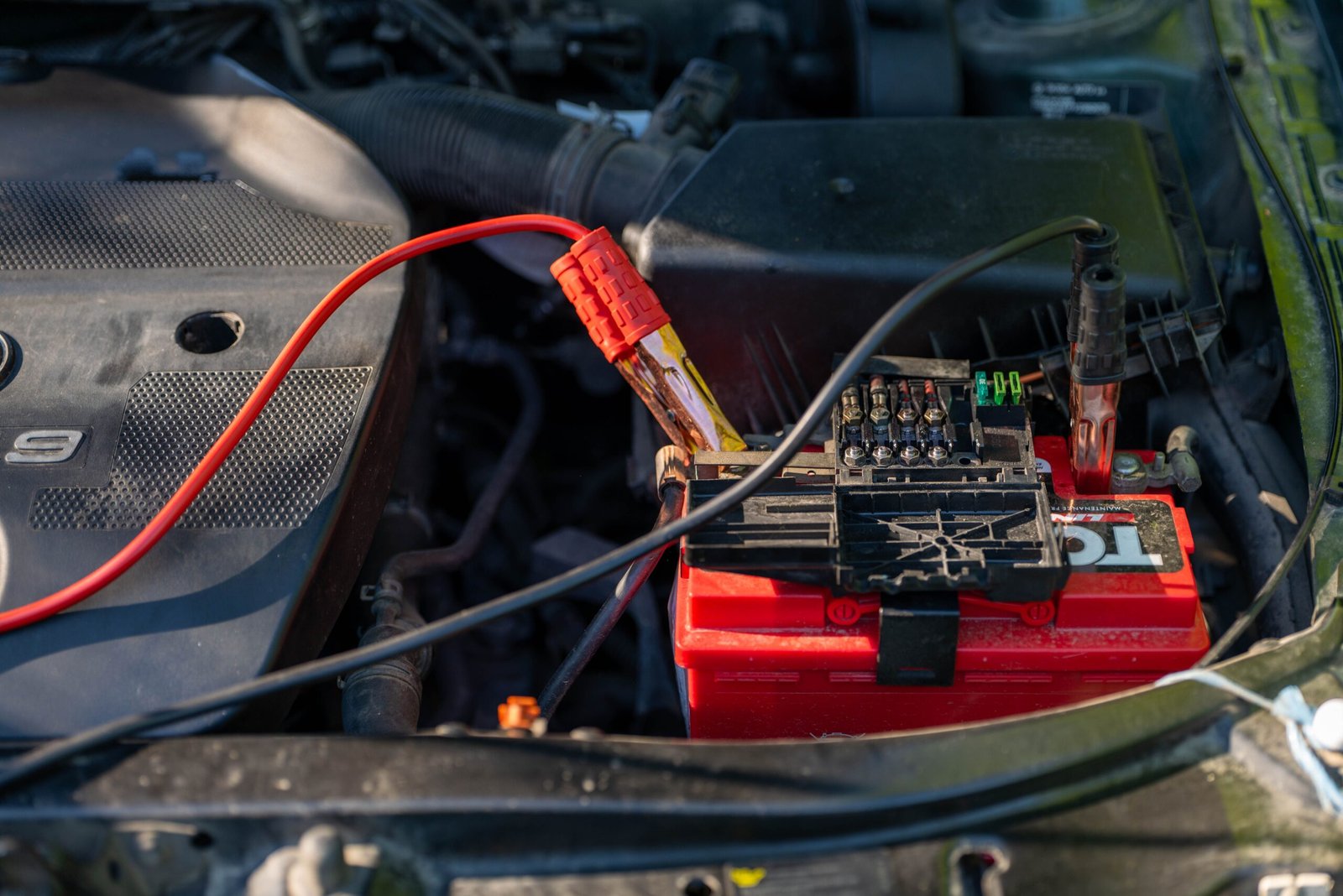
A car battery is one of the most important components of your vehicle’s electrical system. It supplies the power needed to start the engine and supports essential electrical features such as headlights, dashboard displays, infotainment systems, and electronic control units.
However, many drivers experience a frustrating problem: their car battery keeps losing charge, even after being fully charged or recently replaced.
If your vehicle struggles to start, produces clicking sounds, or requires frequent jump-starting, you may have an underlying battery or electrical-system problem.
A rapidly draining car battery should never be ignored. Sometimes the issue is as simple as leaving the headlights switched on. In other cases, a faulty alternator, damaged battery, or hidden electrical drain may be responsible.
In this guide, we explore the 10 most common reasons your car battery drains quickly, how to identify the problem, and the best solutions to keep your vehicle running reliably.
1. Leaving Headlights or Interior Lights On
One of the most common reasons for a drained car battery is accidentally leaving electrical accessories switched on after parking.
Headlights, parking lights, cabin lights, and boot lights can continue consuming electricity when the engine is switched off.
If the vehicle remains parked for several hours or overnight, these accessories may drain enough battery power to prevent the engine from starting.
Common symptoms:
- Engine fails to start after parking overnight.
- Dashboard lights appear dim.
- Clicking sounds occur when turning the ignition.
- Battery needs frequent jump-starting.
Solution:
Always check that headlights and interior lights are switched off before leaving your vehicle.
Many modern cars include automatic headlight systems and battery-saving features, but these should not be relied upon completely.
If your battery has become discharged, have it properly recharged and tested rather than repeatedly jump-starting it.
2. A Faulty Alternator
The alternator is responsible for generating electricity while the engine is running. It also helps recharge the battery and supplies power to the vehicle’s electrical systems.
If the alternator stops working correctly, the battery may gradually lose its charge even while driving.
Common symptoms:
- Battery warning light appears on the dashboard.
- Headlights become unusually dim or flicker.
- Electrical accessories operate inconsistently.
- Engine struggles to run because of low system voltage.
- Battery repeatedly becomes discharged.
Possible causes:
- Worn alternator components.
- Faulty voltage regulator.
- Damaged alternator belt.
- Loose electrical connections.
- Internal alternator failure.
Solution:
Have a mechanic test the alternator’s charging output and inspect its belt, wiring, and connections.
Replacing the battery alone will not solve the problem if the alternator is failing.
3. An Old or Weak Car Battery
Car batteries naturally lose their ability to hold a charge as they age.
Most conventional automotive batteries last approximately three to five years, although their lifespan depends on climate, driving habits, battery quality, and maintenance.
In hot environments, battery deterioration can happen faster because high temperatures accelerate internal chemical degradation.
Common symptoms:
- Slow engine cranking.
- Frequent jump-starting.
- Battery voltage drops quickly.
- Electrical accessories become weak.
- Vehicle struggles to start after sitting overnight.
Solution:
Have the battery professionally tested using a battery load tester or conductance tester.
If it cannot hold an adequate charge or fails the manufacturer’s battery test, replacement may be necessary.
Choose a battery with the correct capacity, dimensions, terminal arrangement, and specifications for your vehicle.
4. Parasitic Battery Drain
A parasitic drain occurs when an electrical component continues consuming power after the vehicle has been switched off.
Some electricity consumption is normal because modern vehicles keep certain systems active, including security systems, electronic memory, and keyless-entry functions.
However, excessive or continuous electrical consumption can discharge the battery.
Common causes:
- Faulty interior lights.
- Damaged electrical relays.
- Aftermarket alarms.
- Incorrectly installed accessories.
- Faulty infotainment systems.
- Electronic control modules failing to enter sleep mode.
Common symptoms:
- Battery drains while the vehicle is parked.
- Battery works normally after charging but becomes weak again.
- Vehicle repeatedly fails to start after sitting unused.
Solution:
A qualified automotive electrician can perform a parasitic-current test to identify which electrical circuit is consuming excessive power.
The technician can then inspect the relevant wiring, relay, accessory, or electronic component.
Avoid randomly removing fuses or disconnecting electronic modules because this can create additional electrical problems.
5. Frequent Short-Distance Driving
Driving short distances frequently can contribute to battery discharge.
Starting an engine requires a substantial amount of electrical energy. The alternator then needs sufficient operating time to replace the energy used during starting and supply the vehicle’s electrical requirements.
If you repeatedly drive for only a few minutes, the battery may not receive enough charging time.
This problem can become more noticeable when using air conditioning, headlights, heated accessories, and other electrical equipment.
Common symptoms:
- Battery becomes weak despite regular driving.
- Slow starting after repeated short trips.
- Battery requires occasional external charging.
Solution:
Follow your vehicle manufacturer’s recommendations and consider having the charging system and battery condition checked.
A suitable battery charger or battery maintainer can help when the vehicle is used mainly for short trips or remains parked for extended periods.
Do not assume that idling the engine for a few minutes will fully recharge a discharged battery.
6. Corroded or Loose Battery Terminals
Battery terminals connect the battery to the vehicle’s electrical system.
Over time, corrosion can develop around the terminals, creating electrical resistance and interfering with charging and starting.
Loose connections can produce similar symptoms.
Common symptoms:
- White, blue, or greenish deposits around battery terminals.
- Intermittent starting problems.
- Clicking sounds when starting.
- Electrical systems behaving inconsistently.
- Difficulty maintaining a reliable connection.
Solution:
Have the battery terminals inspected and cleaned when necessary.
Ensure the connections are secure and that the battery cables are not damaged.
Battery cleaning should be performed using appropriate protective equipment and procedures. Avoid allowing metal tools to bridge the battery terminals.
7. Extreme Weather Conditions
Weather has a significant effect on automotive battery performance.
Although cold temperatures can reduce a battery’s ability to deliver starting power, extreme heat can accelerate battery aging and shorten its overall lifespan.
In hot regions, prolonged exposure to high under-hood temperatures can contribute to internal battery deterioration.
Common symptoms:
- Battery performance becomes inconsistent.
- Engine cranking becomes slower.
- Battery fails unexpectedly.
- Battery casing becomes swollen or damaged.
Solution:
Choose a quality battery designed for your vehicle and local climate.
Keep the battery securely mounted, ensure its connections are clean, and have its condition checked periodically.
If the battery is swollen, leaking, or visibly damaged, avoid handling it unnecessarily and arrange professional replacement.
8. Faulty Starter Motor
The starter motor uses battery power to turn the engine during starting.
If the starter motor develops an electrical or mechanical fault, it may draw excessive current or fail to operate correctly.
This can sometimes be mistaken for a weak battery.
Common symptoms:
- Single clicking sound when starting.
- Engine does not crank.
- Intermittent starting difficulties.
- Starter operates slowly.
- Battery appears healthy but the vehicle struggles to start.
Solution:
Have a mechanic inspect the starter motor, starter relay, battery cables, and electrical connections.
A starter-motor problem should be diagnosed separately from a battery problem before replacing any components.
9. Aftermarket Electrical Accessories
Many drivers install additional electrical equipment to improve convenience, security, and entertainment.
These accessories can include:
- Dash cameras.
- GPS trackers.
- Aftermarket alarm systems.
- Audio amplifiers.
- LED lighting.
- Additional USB charging equipment.
Although these products can be useful, incorrect installation or continuous power consumption can contribute to battery drain.
For example, a dash camera operating in parking mode may continue consuming electricity when the vehicle is switched off.
Solution:
Ensure aftermarket equipment is professionally installed.
Use suitable battery-protection features, such as low-voltage cutoff systems, where appropriate.
Check whether accessories are designed to switch off automatically when the vehicle is parked.
10. Damaged Wiring or Electrical System Problems
Damaged wiring can cause electrical leakage, short circuits, and abnormal battery consumption.
Wiring problems may develop because of aging insulation, corrosion, previous accident damage, poor repairs, or improperly installed accessories.
Common symptoms:
- Battery drains unexpectedly.
- Fuses repeatedly blow.
- Electrical components stop working.
- Burning smells from electrical areas.
- Intermittent dashboard warnings.
Solution:
Have a qualified automotive electrician inspect the wiring harness, fuse box, relays, and affected circuits.
If you notice smoke, sparks, or a burning electrical smell, stop using the vehicle and arrange professional assistance.
Do not attempt to repair damaged high-current wiring without the proper knowledge and equipment.
How to Identify Whether Your Car Battery Is Draining
Before replacing your battery, it is important to identify the actual cause of the problem.
Here are several useful checks.
1. Observe the Starting Performance
Pay attention to how your vehicle starts.
A slow-cranking engine, repeated clicking, or dim dashboard lights may indicate a weak battery or poor electrical connections.
However, these symptoms can also result from starter-motor or wiring problems.
2. Inspect the Battery Condition
Look for corrosion, damaged terminals, loose connections, swelling, and visible leaks.
A damaged or swollen battery should be professionally replaced.
3. Check the Battery Voltage
A conventional fully charged 12-volt lead-acid battery typically measures approximately 12.6–12.8 volts when rested, although the exact reading depends on battery chemistry, temperature, and condition.
A lower reading may indicate partial discharge.
Voltage alone cannot determine whether a battery is healthy. A proper battery test is more reliable.
4. Test the Alternator
A technician can measure the vehicle’s charging voltage while the engine is running and assess whether the charging system operates according to manufacturer specifications.
Modern smart-charging systems can vary their voltage, so a single universal voltage reading is not appropriate for every vehicle.
5. Perform a Parasitic Drain Test
If your battery repeatedly drains while parked, a professional can measure the electrical current consumed after the vehicle’s electronic systems enter sleep mode.
This helps identify abnormal power consumption.
Signs That Your Car Battery Needs Replacement
Sometimes a battery is simply reaching the end of its useful life.
Consider replacement if you experience:
- Repeated battery failures.
- Consistently poor starting performance.
- A failed professional battery health test.
- Visible swelling or leakage.
- Significant corrosion or physical damage.
- Inability to hold a charge.
Do not replace a battery solely because it becomes discharged once. First determine whether the alternator, wiring, or another electrical component is responsible.
How to Prevent Your Car Battery From Draining Quickly
A few simple habits can help extend battery life and prevent unexpected starting problems.
- Switch off headlights and electrical accessories before leaving the vehicle.
- Keep battery terminals clean and secure.
- Have the alternator and charging system inspected periodically.
- Avoid leaving your car unused for extended periods without suitable battery maintenance.
- Use quality batteries that meet manufacturer specifications.
- Ensure aftermarket electrical accessories are installed correctly.
- Have an aging battery tested before it fails completely.
- Investigate repeated overnight battery discharge.
- Avoid unnecessary short trips when possible.
- Follow your vehicle manufacturer’s battery maintenance recommendations.
Conclusion
A car battery that drains quickly can result from several different problems, including an old battery, faulty alternator, parasitic electrical drain, corroded terminals, damaged wiring, or excessive accessory usage.
The most important step is identifying the actual cause before replacing expensive components.
Regular battery inspections, proper electrical maintenance, and timely charging-system checks can help prevent unexpected breakdowns and improve vehicle reliability.
Remember: A healthy battery depends on more than its age. Your alternator, electrical connections, driving habits, and accessories all play important roles in keeping your vehicle’s electrical system working properly.