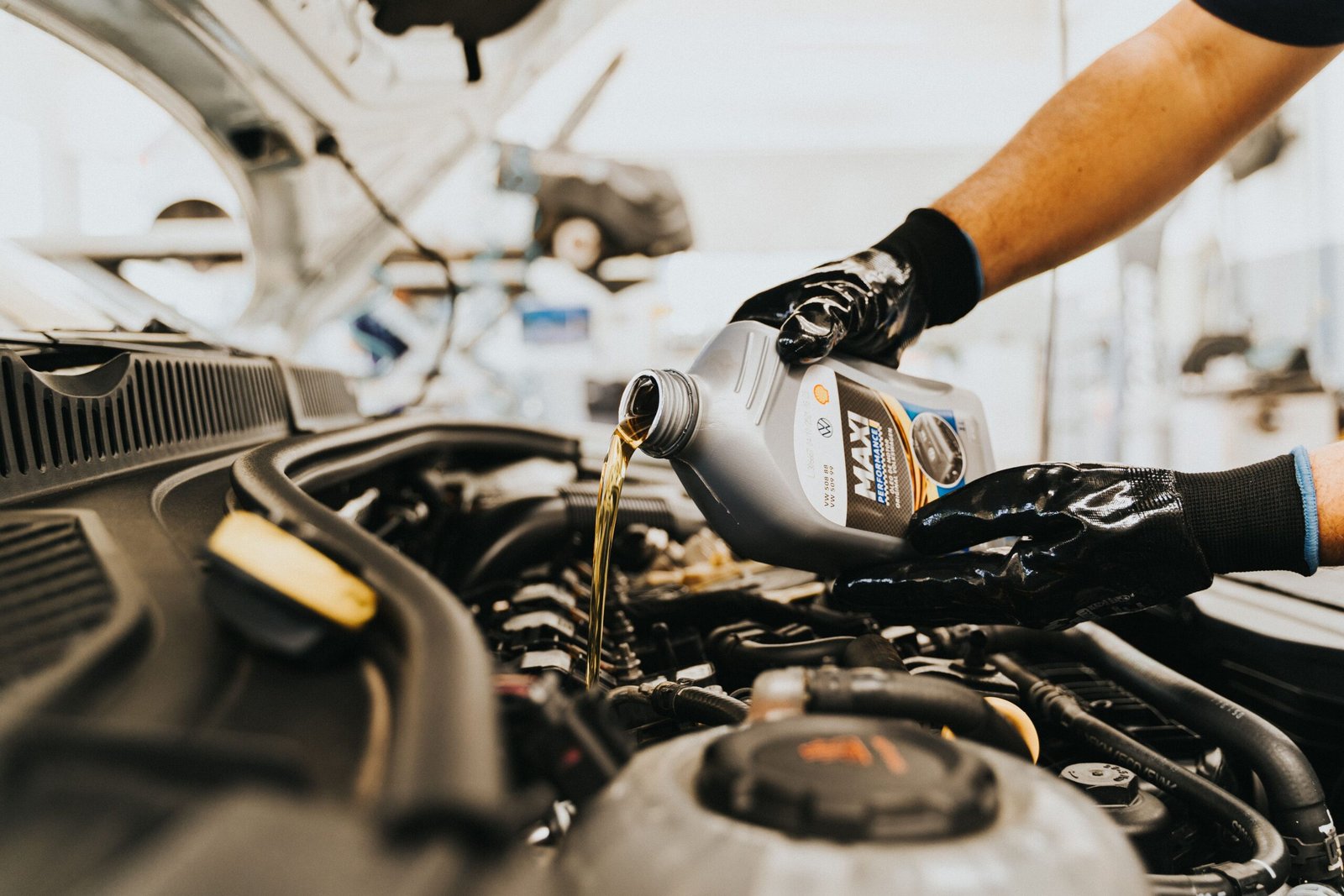
Your car’s engine works hard every time you start it, and engine oil is what helps keep all those moving parts working smoothly. Skip oil changes for too long, and you could end up dealing with engine noise, poor performance, or expensive repairs that could have been avoided.
Regular oil changes are one of the simplest ways to take care of your car. They don’t take much time, but they can make a big difference in how your engine performs over the years.
Whether you drive every day, use your car for occasional trips, or spend hours stuck in traffic, keeping your engine oil fresh should be part of your regular maintenance routine.
Why Regular Oil Changes Matter
Engine oil does more than keep the engine parts moving. It reduces friction between metal components, helps control heat, and carries dirt and small particles away from important engine parts.
Over time, oil starts to break down. It collects dust, dirt, carbon deposits, and other contaminants. As it gets older, it becomes less effective at protecting the engine.
Fresh oil helps your engine run smoothly and reduces unnecessary wear. It also helps prevent the buildup of sludge that can block oil passages and affect engine performance.
Ignoring oil changes might not cause an immediate problem, but the damage can build up slowly. By the time you notice something wrong, the repair bill could be much higher than the cost of a simple oil change.
How Often Should You Change Your Engine Oil?
There isn’t one oil change interval that works for every car. It depends on your vehicle’s age, engine type, oil quality, driving habits, and the conditions you drive in.
Many modern vehicles can go between 5,000 and 10,000 miles (around 8,000 to 16,000 km) between oil changes when using the recommended oil. Older vehicles or cars driven in demanding conditions may need more frequent changes.
The best place to check is your owner’s manual. It will tell you how often your car needs an oil change and what type of oil is suitable for your engine.
If you regularly drive in heavy traffic, dusty roads, extreme temperatures, or make lots of short trips, your oil may need to be changed sooner. These conditions can put extra stress on the engine and oil.
Signs Your Car Needs an Oil Change
Sometimes your car gives you hints that it’s time for fresh oil. Paying attention to these signs can help you avoid problems later.
Here are a few things to watch for:
- Dark or dirty oil: Oil naturally darkens as it collects contaminants, so color alone isn’t a reliable reason to change it. However, extremely dirty oil or visible debris deserves attention.
- Oil change reminder: Some vehicles display a maintenance reminder when an oil change is due.
- Engine noise: If your engine sounds louder than usual or you notice ticking noises, low or degraded oil could be one possible cause.
- Oil level dropping: Check your oil level regularly. If it keeps dropping, your engine may be leaking oil or burning it.
- Burning oil smell: A noticeable smell of burning oil may mean oil is leaking onto hot engine parts.
Don’t wait for these signs to appear before changing your oil. Following the recommended service schedule is a much better approach.
What Happens If You Skip Oil Changes?
Skipping an oil change once doesn’t necessarily mean your engine will fail, but repeatedly delaying maintenance can create serious problems.
Old oil becomes less effective at reducing friction and protecting engine components. Dirt and deposits can build up, and the engine may have to work harder than it should.
Over time, neglected oil can contribute to:
- Excessive engine wear
- Sludge buildup inside the engine
- Increased engine temperature
- Reduced fuel efficiency
- Poor engine performance
- Expensive engine damage
In severe cases, dirty or insufficient oil can lead to engine failure. Replacing an engine is one of the most expensive repairs a car owner can face, so it’s worth staying on top of something as basic as oil maintenance.
Choosing the Right Engine Oil
Not every engine oil is suitable for every car. Using the wrong oil can affect engine protection, performance, and fuel economy.
When buying engine oil, pay attention to these three things:
Oil viscosity: This is the rating shown on the bottle, such as 5W-30 or 10W-40. It tells you how the oil behaves at different temperatures.
Oil type: Engine oils are generally available as conventional, synthetic blend, and full synthetic. Your car may require a specific type depending on the engine design.
Manufacturer specifications: Some engines require oil that meets certain performance standards or approvals. Always check your owner’s manual before buying.
If you’re unsure which oil to use, ask a trusted mechanic rather than choosing based on price alone.
Can You Check Engine Oil Yourself?
Yes, checking your engine oil is easy and doesn’t require special tools. It’s a good habit to check the oil level every few weeks or before a long drive.
Here’s how to do it:
- Park your car on level ground and turn off the engine.
- Wait a few minutes for the oil to settle.
- Pull out the dipstick and wipe it clean with a cloth.
- Insert it fully, then pull it out again.
- Check the oil level against the minimum and maximum marks.
- Add the correct oil if the level is low, but avoid overfilling.
If the oil level keeps dropping, don’t just keep topping it up. Have the car checked for leaks or other issues.
Why Oil Filter Replacement Is Important
An oil change isn’t complete without paying attention to the oil filter. The filter removes dirt, metal particles, and other contaminants from the oil as it circulates through the engine.
As the filter gets older, it can become clogged and less effective. That’s why the oil filter is normally replaced during a regular oil change.
Using a good-quality filter designed for your vehicle is just as important as choosing the right engine oil.
How Regular Oil Changes Can Save You Money
Oil changes may feel like another expense, especially when you’re already paying for fuel, repairs, and other maintenance. But they’re much cheaper than dealing with engine damage caused by poor lubrication.
Fresh oil helps reduce friction, supports smoother engine operation, and can help prevent premature wear. Staying on schedule also makes it easier to spot other problems, such as oil leaks, during routine maintenance.
A little money spent on regular servicing can save you from a much bigger repair bill later.
Final Thoughts
Regular oil changes are not something you should put off until your engine starts making strange noises. They’re a basic part of owning a car and keeping it dependable.
Follow your vehicle’s recommended oil change schedule, use the correct oil, replace the oil filter, and check the oil level from time to time. These simple steps can help your engine last longer and give you fewer problems on the road.
Taking care of your car doesn’t always require expensive tools or complicated repairs. Sometimes, the best thing you can do is keep up with the basics.