
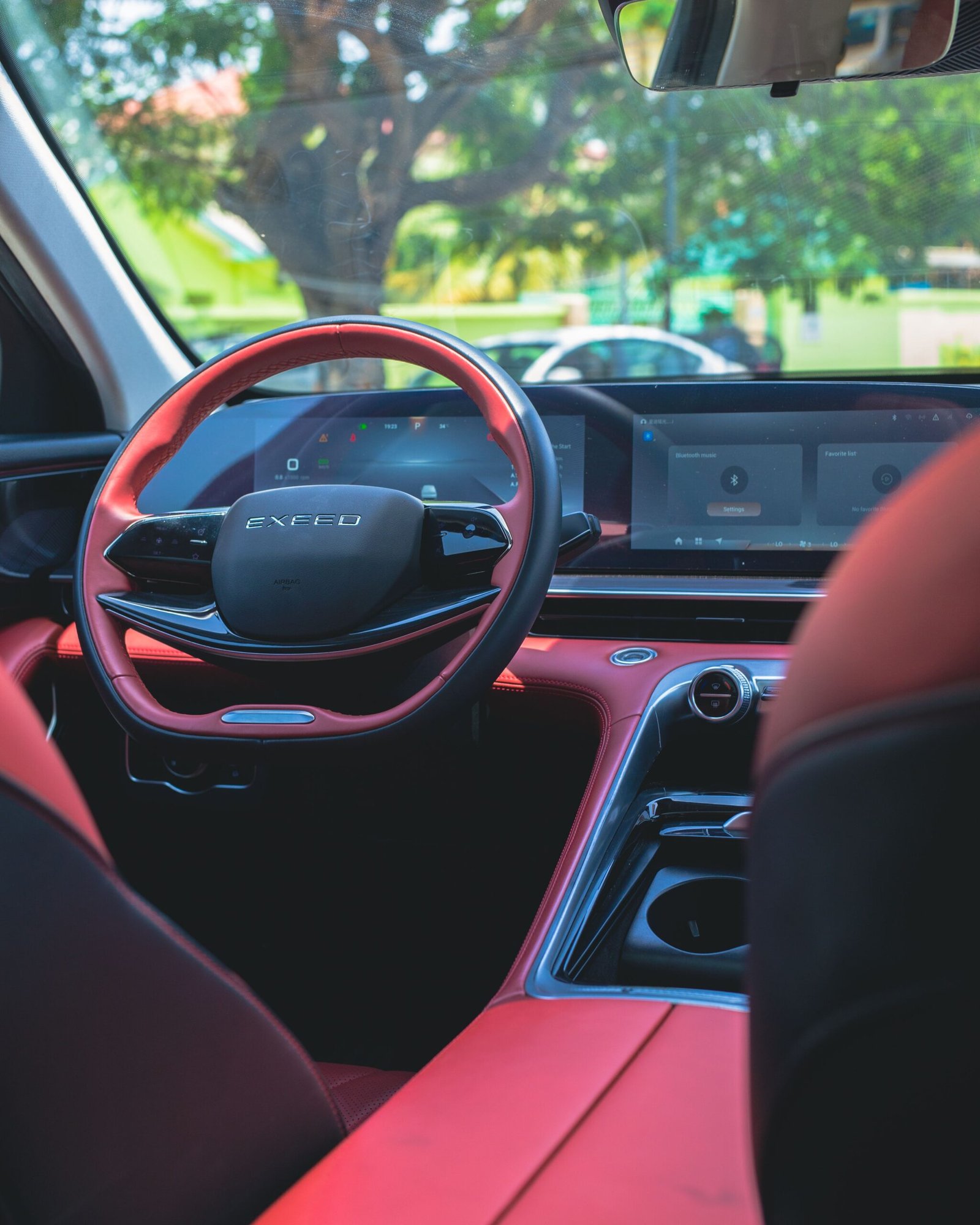
The automotive industry is undergoing a remarkable transformation as advanced technologies reshape how vehicles are designed, manufactured, and driven. Modern cars are no longer simply machines that provide transportation. They are becoming intelligent, connected, energy-efficient, and increasingly automated.
In 2026, innovations such as artificial intelligence (AI), autonomous driving, electric powertrains, advanced safety systems, and connected-car technology are changing the driving experience.
Automakers such as Toyota, Tesla, Mercedes-Benz, BMW, Hyundai, and BYD are investing heavily in new technologies to improve vehicle performance, passenger safety, comfort, and efficiency.
Whether you are a car enthusiast, a technology lover, or someone planning to purchase a new vehicle, understanding these innovations can help you appreciate the future of transportation.
Here are the top 10 advanced car technologies changing the automotive industry in 2026.
1. Artificial Intelligence (AI) in Cars

Artificial intelligence is becoming one of the most important technologies in modern vehicles.
AI-powered systems help cars understand driver behavior, analyze road conditions, improve navigation, and personalize the driving experience.
Modern AI applications include:
- Intelligent voice assistants.
- Predictive maintenance systems.
- Smart navigation.
- Driver behavior monitoring.
- Personalized climate and seating settings.
- Intelligent traffic management.
For example, AI-powered assistants allow drivers to control navigation, entertainment, and certain vehicle functions using natural voice commands.
AI can also analyze vehicle performance data to identify potential mechanical problems before they become serious.
As computing power improves, AI is expected to play an increasingly important role in vehicle safety and automation.
+1

Autonomous driving technology allows vehicles to perform certain driving tasks with limited or no human intervention, depending on the automation level.
These systems use cameras, radar, sensors, artificial intelligence, and advanced computing systems to understand their surroundings.
Common capabilities include:
- Detecting pedestrians and other vehicles.
- Maintaining lanes.
- Adjusting speed.
- Changing lanes under permitted conditions.
- Identifying traffic signals.
- Automatically braking when necessary.
Driving automation is classified into six levels, from Level 0 to Level 5.
Although some vehicles offer advanced hands-free driving features in specific conditions, most consumer vehicles still require drivers to remain attentive and ready to take control.
Fully autonomous Level 5 driving is not yet commercially available for general public use.
3. Advanced Driver Assistance Systems (ADAS)

Advanced Driver Assistance Systems, commonly known as ADAS, are designed to improve road safety and reduce the risk of accidents.
These technologies use cameras, radar, and other sensors to monitor the vehicle’s surroundings.
Important ADAS features include:
- Automatic emergency braking.
- Adaptive cruise control.
- Lane departure warning.
- Lane-keeping assistance.
- Blind-spot monitoring.
- Rear cross-traffic alerts.
- Traffic sign recognition.
For example, automatic emergency braking can detect a potential collision and apply the brakes if the driver does not respond in time.
ADAS features are becoming increasingly common in modern vehicles, although their availability varies by model and market.
These systems assist drivers but do not eliminate the need for careful driving.
4. Advanced Electric Vehicle Battery Technology

Battery technology is transforming the automotive industry by making electric vehicles more practical and efficient.
Modern EVs primarily use lithium-ion batteries because of their energy density, charging performance, and durability.
Automakers are also developing improved battery technologies, including:
- Lithium iron phosphate (LFP) batteries.
- High-nickel lithium-ion batteries.
- Silicon-enhanced battery anodes.
- Solid-state batteries.
Solid-state batteries are particularly promising because they could potentially improve energy density, safety, and charging performance.
However, large-scale commercial adoption still faces technical and manufacturing challenges.
Improved batteries can help electric vehicles achieve longer driving ranges, better performance, and potentially lower production costs.
5. Vehicle-to-Everything (V2X) Communication

Vehicle-to-Everything technology, commonly called V2X, allows vehicles to communicate with other vehicles, road infrastructure, networks, and sometimes pedestrians’ devices.
This technology can improve traffic management and help drivers become aware of potential road hazards.
Its major applications include:
- Vehicle-to-Vehicle (V2V) communication.
- Vehicle-to-Infrastructure (V2I) communication.
- Vehicle-to-Pedestrian (V2P) communication.
- Vehicle-to-Network (V2N) communication.
For example, a connected vehicle could receive information about traffic congestion, road hazards, or approaching emergency vehicles.
V2X technology has the potential to improve road safety and make transportation systems more efficient.
However, widespread adoption requires compatible vehicles, infrastructure, communication standards, and cybersecurity protections.
6. Over-the-Air (OTA) Software Updates

Over-the-Air updates allow manufacturers to send software improvements directly to vehicles through wireless internet connections.
This technology is similar to updating a smartphone without visiting a repair shop.
OTA updates can provide:
- Software bug fixes.
- Navigation improvements.
- Infotainment upgrades.
- Cybersecurity patches.
- Improvements to certain vehicle systems.
- New digital features.
Some manufacturers also use OTA technology to improve battery-management software and driver-assistance functions.
This means vehicles can receive certain improvements after they have already been purchased.
However, not every vehicle component can be updated remotely, and safety-critical updates require appropriate testing and safeguards.
7. Augmented Reality (AR) Head-Up Displays

Augmented Reality Head-Up Displays are changing how drivers interact with vehicle information.
Instead of looking down at the dashboard, drivers can view important information projected into their forward field of vision.
Advanced AR displays can show:
- Vehicle speed.
- Navigation directions.
- Lane guidance.
- Distance alerts.
- Collision warnings.
- Traffic information.
For example, navigation arrows can appear aligned with the road ahead, making directions easier to understand.
This technology can improve convenience and reduce the need to look away from the road.
However, displays must be carefully designed to avoid distracting drivers.
8. Advanced Biometric and Driver Monitoring Systems

Biometric and driver-monitoring technologies help vehicles understand the driver’s condition and improve passenger safety.
These systems may use cameras, sensors, and biometric measurements to monitor driver attention and certain physical indicators.
Common features include:
- Driver fatigue detection.
- Eye-tracking technology.
- Drowsiness alerts.
- Facial recognition.
- Driver identification.
- Occupant detection.
For example, a driver-monitoring camera can identify signs of distraction or drowsiness and provide an audible warning.
Some advanced systems can also recognize individual drivers and automatically adjust seating positions, mirrors, and infotainment preferences.
Privacy and secure handling of personal data are important considerations when using these technologies.
9. Advanced Connectivity and Smart Infotainment Systems

Modern vehicles are becoming connected digital platforms.
Advanced infotainment systems integrate smartphones, internet services, navigation, entertainment, and vehicle information into a single interface.
Popular features include:
- Apple CarPlay.
- Android Auto.
- Wireless smartphone connectivity.
- Real-time traffic updates.
- Cloud-based navigation.
- Voice-controlled entertainment.
- Internet-connected applications.
Some manufacturers are also integrating AI-powered assistants to make communication between drivers and vehicles more natural.
These systems improve convenience and make everyday journeys more enjoyable.
However, drivers should avoid interacting with distracting applications while the vehicle is moving.
10. Vehicle-to-Grid (V2G) Technology

Vehicle-to-Grid technology allows compatible electric vehicles to send stored electricity back to the electrical grid.
Traditional charging systems primarily transfer electricity from the grid to the vehicle.
V2G introduces bidirectional charging, allowing electricity to move in both directions.
Potential benefits include:
- Supporting electricity grids during peak demand.
- Improving renewable energy integration.
- Helping manage electricity consumption.
- Providing backup energy in compatible systems.
- Potential financial benefits for EV owners through grid services.
For example, an electric vehicle could charge when electricity demand is low and supply electricity back to the grid when demand increases.
However, this technology requires compatible vehicles, bidirectional chargers, suitable electricity infrastructure, and appropriate utility agreements.
These innovations are influencing almost every part of vehicle development and ownership.
| Technology | Main Benefit |
|---|---|
| Artificial Intelligence | Smarter vehicle operation |
| Autonomous Driving | Driving automation |
| ADAS | Improved road safety |
| Advanced Batteries | Better EV performance |
| V2X Communication | Smarter traffic systems |
| OTA Updates | Remote software improvements |
| AR Head-Up Displays | Better driving information |
| Biometric Monitoring | Driver safety and personalization |
| Smart Infotainment | Improved connectivity |
| V2G Technology | Intelligent energy management |
Another important development is the rise of software-defined vehicles. Instead of relying entirely on separate mechanical and electronic systems, manufacturers are increasingly using centralized computing and software to control vehicle functions.
This approach makes it easier to introduce new features, improve existing systems, and deliver remote updates throughout a vehicle’s lifetime.
What Do These Technologies Mean for Car Buyers in 2026?
Advanced technology is making modern vehicles safer, smarter, and more convenient. However, not every feature is necessary for every driver.
Before purchasing a technologically advanced vehicle, consider:
- Safety features and independent crash-test ratings.
- Reliability of electronic systems.
- Availability of software updates.
- Battery warranty and charging facilities.
- Repair and maintenance expenses.
- Availability of trained technicians.
- Compatibility with local infrastructure.
For buyers in Pakistan, it is particularly important to consider spare-parts availability, dealership support, charging infrastructure, and the cost of repairing advanced electronic components.
A vehicle with useful safety technology and dependable servicing may offer better long-term value than one packed with expensive features.
Conclusion
Advanced automotive technologies are transforming the way people drive, travel, and interact with their vehicles.
From artificial intelligence and autonomous driving to advanced batteries, connected-car systems, and vehicle-to-grid technology, these innovations are creating exciting opportunities for the future of transportation.
Some technologies, such as ADAS, smart infotainment, and OTA updates, are already available in many modern vehicles. Others, including fully autonomous driving and widespread V2G adoption, still face technical and infrastructure challenges.
The future of the automotive industry will not depend on engine performance alone. It will increasingly be shaped by intelligent software, advanced safety systems, electrification, connectivity, and sustainable transportation.
For car buyers, understanding these technologies can help make better purchasing decisions and prepare them for the next generation of vehicles.