
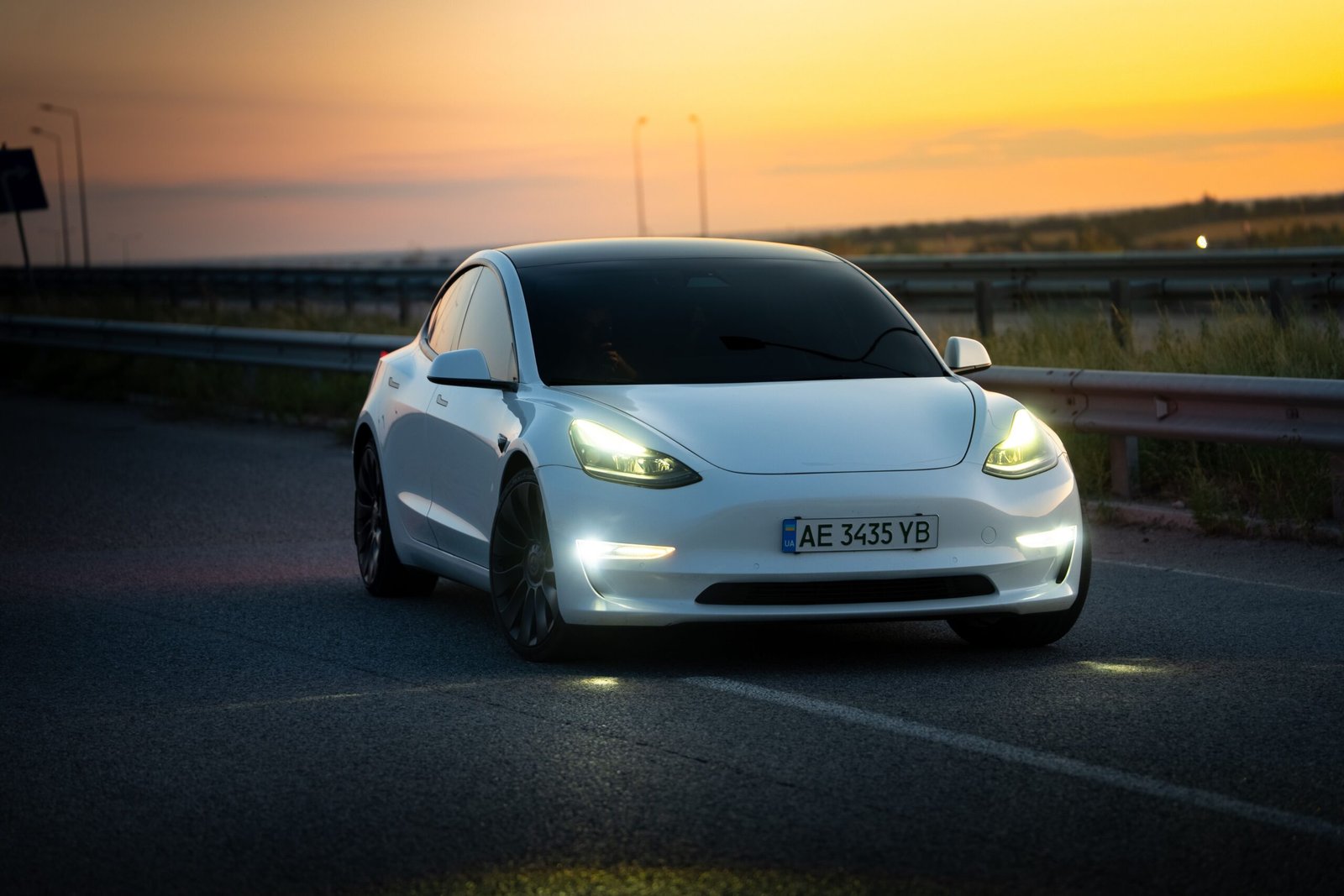
Electric vehicles (EVs) are changing the automotive industry by offering a cleaner, quieter, and more energy-efficient alternative to traditional petrol and diesel cars. As battery technology improves and electric charging infrastructure expands, more people are considering electric vehicles for everyday transportation.
However, many beginners still have questions about how electric cars actually work. How does an electric vehicle move without a petrol engine? Where does its power come from? How long does the battery last, and how do you recharge it?
Unlike conventional vehicles, which burn fuel to generate power, electric vehicles use electricity stored in rechargeable batteries to operate electric motors.
In this beginner’s guide, we explain how electric vehicles work, their main components, charging systems, benefits, and limitations.
1. What Is an Electric Vehicle?
An electric vehicle is a vehicle powered partly or entirely by electricity rather than relying exclusively on an internal combustion engine.
A fully electric vehicle, commonly called a Battery Electric Vehicle (BEV), uses rechargeable batteries to store electrical energy.
Instead of burning petrol or diesel, it uses an electric motor to turn the wheels.
Popular electric vehicle models include:
- Tesla Model 3.
- BYD Atto 3.
- BYD Dolphin.
- Hyundai IONIQ 5.
- Kia EV6.
- MG4 EV.
Electric vehicles produce no tailpipe emissions while driving, making them an attractive option for reducing urban air pollution.
2. How Does an Electric Vehicle Work?
The basic working principle of an electric vehicle is relatively simple.
Electricity is stored in a battery pack and supplied to an electric motor through an electronic controller. The motor converts electrical energy into mechanical energy, which moves the vehicle.
Here is how the process works:
- The driver presses the accelerator pedal.
- Sensors communicate the driver’s power requirements to the vehicle’s control system.
- The power electronics regulate electricity supplied by the battery.
- The electric motor converts electrical energy into rotational movement.
- The drivetrain transfers this movement to the wheels.
- The vehicle accelerates and moves forward.
Unlike traditional petrol cars, electric vehicles generally do not require conventional multi-speed transmissions.
Many use a simple single-speed reduction gearbox, making the driving experience smooth and responsive.
3. Main Components of an Electric Vehicle
Several important components work together to make an electric vehicle operate efficiently.
A. Battery Pack
<AsyncImage query=”electric vehicle lithium ion battery pack exposed automotive chassis” aspectRatio=”16:9″ width=”100%”/>
The battery pack is the main energy storage system of an electric vehicle.
Most modern EVs use lithium-ion battery technology because it offers high energy density, good efficiency, and rechargeable performance.
The battery stores electricity and supplies it to the electric motor when the vehicle is running.
Battery capacity is measured in kilowatt-hours (kWh).
For example, a vehicle with a 60 kWh battery can store more energy than a vehicle with a 40 kWh battery, although actual driving range also depends on vehicle efficiency.
B. Electric Motor
<AsyncImage query=”electric vehicle traction motor automotive engineering component” aspectRatio=”16:9″ width=”100%”/>
The electric motor converts electrical energy into mechanical energy.
It performs the job of moving the vehicle and provides several advantages over conventional engines.
These include:
- Instant torque delivery.
- Smooth acceleration.
- Quiet operation.
- High energy efficiency.
- Fewer moving mechanical components.
Some electric vehicles use one motor, while others use two or more motors for all-wheel drive and improved performance.
C. Inverter
<AsyncImage query=”electric vehicle power inverter electronic module automotive” aspectRatio=”16:9″ width=”100%”/>
The inverter is an important electronic component that controls electrical power between the battery and motor.
Most EV battery packs supply direct current (DC), while many traction motors operate using alternating current (AC).
The inverter converts DC electricity into AC electricity when required and controls motor speed and torque.
During regenerative braking, it also helps convert electricity generated by the motor back into a form that can recharge the battery.
D. Charging Port
<AsyncImage query=”electric car charging port cable connected to vehicle” aspectRatio=”16:9″ width=”100%”/>
The charging port allows an electric vehicle to connect to an external electricity supply.
Depending on the vehicle and market, charging connectors may include Type 1, Type 2, CCS, or other standards.
Charging compatibility is important because not every charging station supports every connector type.
E. Onboard Charger
The onboard charger manages the process of converting electricity from an AC charging supply into DC electricity suitable for charging the battery.
Its power rating affects how quickly an EV can charge using an AC charging station.
DC fast chargers generally supply suitable DC power directly to the vehicle’s battery system through its charging electronics, bypassing the onboard AC-to-DC charging process.
F. Battery Management System (BMS)
The Battery Management System monitors and protects the battery pack.
Its responsibilities include:
- Monitoring battery temperature.
- Tracking voltage and current.
- Managing charging and discharging.
- Monitoring battery health.
- Helping prevent overcharging and excessive discharge.
- Balancing individual battery cells.
The BMS plays a major role in maintaining battery safety, performance, and longevity.
4. How Do You Charge an Electric Vehicle?
Charging an electric vehicle is similar to charging a large rechargeable electronic device, although EV charging requires specialized equipment and safety systems.
There are three common charging approaches.
<AsyncImageGroup query={[“electric vehicle home wallbox charging garage”,”electric car public AC charging station parking”,”electric vehicle DC fast charging station highway”]} aspectRatio=”5:4″ layout=”carousel”/>
Level 1 Charging
This uses a standard household electrical outlet where supported.
It is generally the slowest charging option and may take many hours to recharge a large battery.
Level 2 Charging
This uses dedicated AC charging equipment, commonly installed at homes, workplaces, and public charging locations.
It charges significantly faster than a standard household outlet.
DC Fast Charging
DC fast charging supplies electricity directly to the vehicle’s battery system.
It can recharge compatible EVs much faster, with some vehicles capable of reaching approximately 80% charge in around 20–40 minutes under suitable conditions.
Actual charging time depends on battery size, charging-station power, vehicle capability, battery temperature, and current state of charge.
5. What Is Regenerative Braking?
One of the most interesting features of electric vehicles is regenerative braking.
In conventional cars, braking usually converts much of the vehicle’s kinetic energy into heat through friction between brake pads and discs.
Electric vehicles can recover some of this energy.
When the driver slows down or releases the accelerator, the electric motor can operate as a generator.
It converts some of the vehicle’s movement energy into electrical energy and sends it back to the battery.
Benefits include:
- Improved overall energy efficiency.
- Reduced use of conventional friction brakes.
- Additional driving range in suitable conditions.
- Smoother deceleration in many EVs.
However, regenerative braking cannot recover all the energy used to move the vehicle.
6. How Far Can an Electric Vehicle Travel?
Driving range refers to the distance an electric vehicle can travel on a fully charged battery.
The range depends on several factors, including:
- Battery capacity.
- Vehicle weight.
- Driving speed.
- Weather conditions.
- Air conditioning usage.
- Road conditions.
- Driving style.
- Tire pressure.
For example, an EV with a 60 kWh battery and an average consumption of 15 kWh per 100 kilometres could theoretically travel approximately 400 kilometres.
The calculation is:
60 ÷ 15 × 100 = 400 kilometres.
Actual range may be lower because of driving conditions, charging losses, temperature, and other factors.
7. How Long Does an Electric Vehicle Battery Last?
Battery lifespan is an important consideration when purchasing an electric vehicle.
Modern EV batteries are designed to operate for many years, although their capacity gradually decreases with use and aging.
This process is known as battery degradation.
Factors that influence battery health include:
- High operating temperatures.
- Frequent high-power charging.
- Charging habits.
- Battery chemistry.
- Vehicle usage.
- Age and mileage.
Many manufacturers provide battery warranties of approximately eight years or a specified mileage limit, whichever comes first. Exact coverage varies by manufacturer and market.
To help maintain battery health, follow the manufacturer’s charging recommendations and avoid prolonged exposure to extreme temperatures where possible.
8. Advantages of Electric Vehicles
Electric vehicles offer several benefits compared with traditional petrol-powered cars.
Lower Running Costs: Electricity can be cheaper than petrol per kilometre, particularly when charging at home using favorable electricity rates.
Less Routine Maintenance: EVs do not require conventional engine oil changes, spark plugs, or exhaust-system servicing.
Quiet Driving: Electric motors operate more quietly than conventional combustion engines.
Instant Acceleration: Electric motors provide strong torque from very low speeds.
Environmental Benefits: EVs produce no tailpipe emissions and can reduce lifetime greenhouse gas emissions compared with comparable petrol vehicles, depending on electricity generation and manufacturing.
9. Disadvantages of Electric Vehicles
Despite their benefits, electric vehicles also have some limitations.
- Higher initial purchase prices in many markets.
- Charging can take longer than refueling.
- Public charging infrastructure is not equally available everywhere.
- Battery replacement can be expensive outside warranty coverage.
- Driving range can decrease in extreme temperatures.
- Specialized repairs may require trained technicians.
These factors should be considered before purchasing an electric vehicle.
10. Are Electric Vehicles Suitable for Pakistan in 2026?
Electric vehicles are becoming an increasingly interesting option for Pakistani drivers.
They may be particularly useful for people who regularly drive within cities and have access to reliable home charging.
However, buyers should carefully consider local conditions.
Important factors include:
- Electricity tariffs.
- Home charging installation costs.
- Public charging availability.
- Spare-parts availability.
- Battery warranty coverage.
- Availability of trained technicians.
- Vehicle purchase price and resale value.
For buyers living in areas such as Islamabad, Lahore, Karachi, or other major cities, checking nearby charging facilities is particularly important.
In smaller cities and areas with limited charging infrastructure, including parts of Khyber Pakhtunkhwa, charging access should be evaluated carefully before purchasing an EV.
Electric Vehicles vs Petrol Cars: Quick Comparison
| Feature | Electric Vehicles | Petrol Vehicles |
|---|---|---|
| Energy source | Electricity | Petrol |
| Main power source | Electric motor | Combustion engine |
| Running costs | Generally lower | Fuel-dependent |
| Maintenance | Usually less routine maintenance | More engine servicing |
| Acceleration | Instant torque | Engine-dependent |
| Refueling | Charging required | Quick refueling |
| Tailpipe emissions | None | Present |
| Transmission | Usually single-speed | Multiple transmission types |
| Battery | Large rechargeable battery | Smaller starting battery |
Conclusion
Electric vehicles work by storing electricity in rechargeable battery packs and using electric motors to convert that energy into movement.
Components such as the battery, inverter, motor, onboard charger, and battery management system work together to provide smooth, efficient, and reliable transportation.
Compared with petrol vehicles, EVs offer several advantages, including lower routine maintenance requirements, instant acceleration, quieter operation, and no tailpipe emissions.
However, charging infrastructure, purchase price, battery costs, and driving range remain important considerations.
For beginners, understanding how electric vehicles work is the first step toward deciding whether this technology suits their transportation needs. As battery technology and charging infrastructure continue to improve, electric vehicles are likely to become an increasingly important part of the automotive industry.