
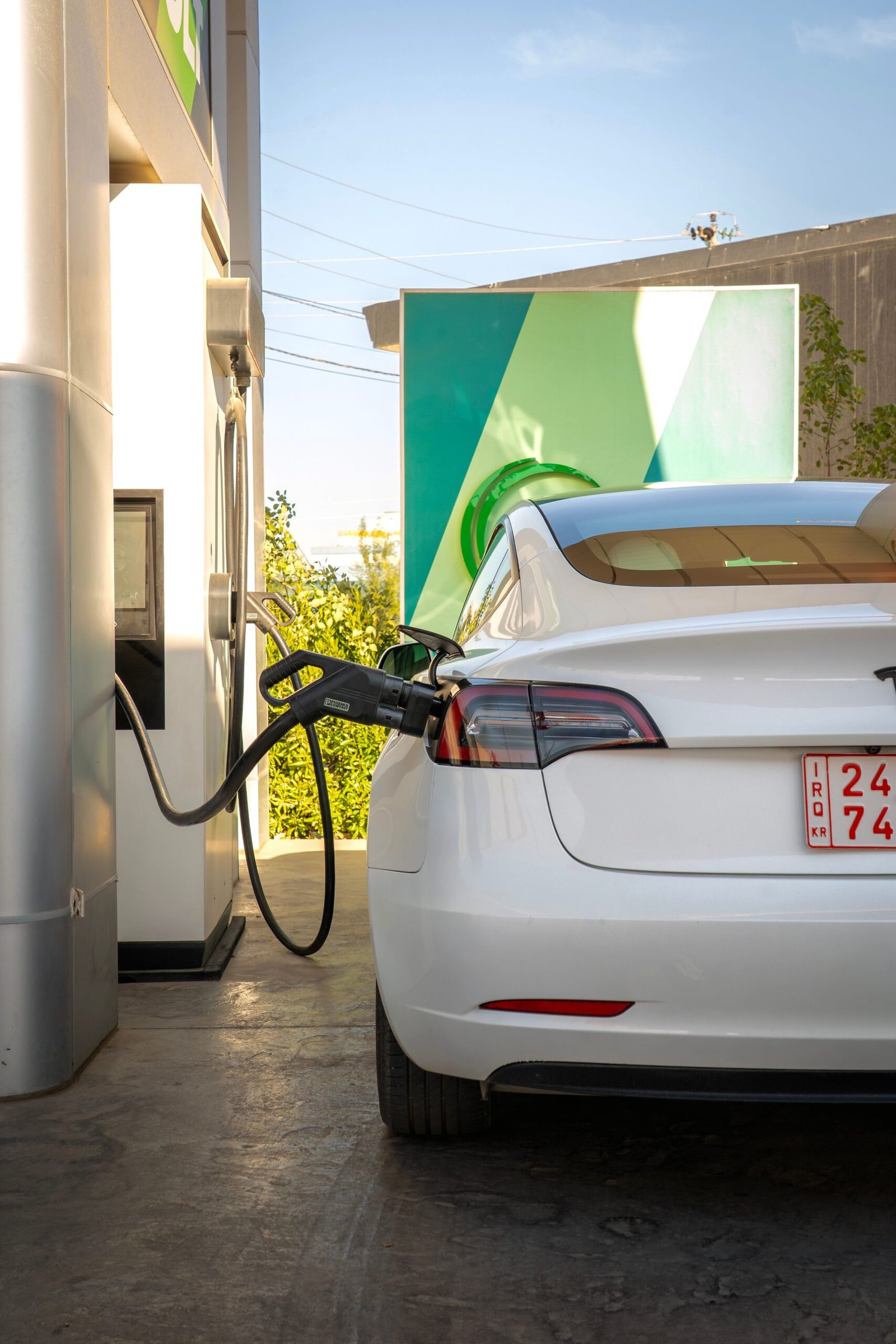
The automotive industry is experiencing a major transformation in 2026 as electric vehicles (EVs) become increasingly popular around the world. With improvements in battery technology, charging infrastructure, and vehicle performance, electric cars are becoming a serious alternative to traditional petrol-powered vehicles.
However, petrol cars remain popular because of their established technology, widespread fuel availability, and convenient refueling options.
For anyone planning to purchase a new vehicle, one important question remains: Are electric cars better than petrol cars in 2026?
The answer depends on your budget, driving habits, charging facilities, maintenance expectations, and long-term ownership plans.
In this guide, we compare electric and petrol cars across important categories, including purchase price, running costs, performance, maintenance, environmental impact, and convenience to help you make the right decision.
1. Purchase Price: Electric Cars vs Petrol Cars
One of the biggest differences between electric and petrol vehicles is their initial purchase price.
Electric cars can be more expensive because battery production and advanced electrical components contribute significantly to manufacturing costs. However, prices are becoming more competitive as battery technology improves and production increases.
Petrol cars generally offer more choices across different price categories, making them accessible to a wider range of buyers.
Electric cars:
- Higher initial cost in many markets.
- Potential government incentives.
- Fewer mechanical components.
- Increasing availability of affordable models.
Petrol cars:
- More affordable entry-level options.
- Wider selection of used vehicles.
- Established dealership networks.
- Competitive purchasing options.
Winner: Petrol Cars
For buyers with a limited initial budget, petrol vehicles often provide more affordable choices.
2. Running Costs: Which Is Cheaper?
Running costs are an important consideration when calculating the total cost of vehicle ownership.
Electric cars generally cost less to operate per kilometre because electricity can be cheaper than petrol, particularly when charging at home during lower electricity-rate periods.
Petrol vehicles require regular fuel purchases, and operating costs depend on engine efficiency and local fuel prices.
Electric cars can offer additional savings through reduced routine maintenance requirements.
However, actual savings depend on electricity tariffs, charging costs, fuel prices, vehicle efficiency, and annual mileage.
Winner: Electric Cars
Electric vehicles generally offer lower energy costs, particularly for drivers who can charge conveniently at home.
3. Performance and Acceleration
Electric cars are known for their impressive acceleration and smooth driving experience.
Unlike traditional petrol engines, electric motors deliver maximum torque almost immediately. This allows many electric vehicles to accelerate quickly from a standstill.
Petrol cars produce power through internal combustion engines and usually require the engine to reach particular RPM ranges to deliver maximum torque.
However, modern petrol sports cars still offer excellent performance, engaging engine sounds, and exciting driving characteristics.
Electric car advantages:
- Instant torque.
- Smooth acceleration.
- Quiet operation.
- Responsive driving experience.
Petrol car advantages:
- Wide range of performance options.
- Familiar driving characteristics.
- Longer-established high-performance technology.
- More extensive engine and exhaust customization options.
Winner: Electric Cars
For smooth acceleration and instant response, electric vehicles generally have the advantage.
4. Maintenance and Repair Costs
Maintenance is another important factor when comparing electric and petrol vehicles.
Electric cars have fewer moving mechanical components because they do not require conventional engines, engine oil, spark plugs, or exhaust systems.
This generally reduces routine servicing requirements.
Petrol cars require regular oil changes, air-filter replacements, spark-plug servicing, and other engine-related maintenance.
However, electric vehicles still require attention to tires, brakes, suspension, cooling systems, and battery-related components.
Battery replacement can also be expensive outside the applicable warranty.
Winner: Electric Cars
Electric vehicles generally require less routine mechanical maintenance, although repair costs depend on the vehicle and the availability of qualified technicians.
5. Driving Range and Refueling Convenience
Driving range is one area where petrol vehicles continue to offer a major advantage.
Many modern electric cars provide approximately 250–500 kilometres or more of driving range on a full charge, depending on the model, battery capacity, weather, speed, and driving conditions.
Some premium electric vehicles offer even greater range.
Petrol cars can often travel 500–800 kilometres or more on a full tank, depending on engine efficiency and fuel-tank capacity.
Refueling a petrol car generally takes only a few minutes, while charging an electric vehicle can take considerably longer.
Winner: Petrol Cars
Petrol vehicles remain more convenient for long-distance journeys, particularly in areas with limited charging infrastructure.
6. Charging Infrastructure vs Petrol Stations
Petrol stations are widely available in most countries, making petrol vehicles convenient for everyday use and long-distance travel.
Electric charging infrastructure is expanding, but availability still varies significantly by region.
Electric car owners can benefit from home charging, which allows them to recharge their vehicles overnight.
Public charging stations are useful for longer journeys, but availability, charging speed, and reliability should be considered before purchasing an EV.
Before buying an electric vehicle, check:
- Availability of home charging.
- Nearby public charging stations.
- Charging costs.
- Compatibility with charging connectors.
- Availability of fast-charging facilities.
Winner: Petrol Cars
Petrol vehicles currently offer greater refueling convenience in many markets.
7. Environmental Impact
Environmental performance is one of the biggest reasons consumers consider electric vehicles.
Electric cars produce no tailpipe emissions while driving, which can help improve local air quality, especially in crowded urban areas.
Petrol vehicles release carbon dioxide and other pollutants during operation.
However, electric vehicles are not completely emission-free. Battery manufacturing, electricity generation, and vehicle production also contribute to their environmental footprint.
Over their full life cycle, electric vehicles generally produce lower greenhouse gas emissions than comparable petrol cars, although the difference depends on the electricity source, battery production, and vehicle usage.
Winner: Electric Cars
Electric vehicles generally offer environmental benefits, particularly when charged using electricity generated from renewable sources.
8. Battery Life and Long-Term Reliability
The battery is one of the most important components of an electric vehicle.
Modern EV batteries are designed to last many years, but their capacity gradually decreases through normal use and aging.
Factors affecting battery health include:
- Extreme temperatures.
- Frequent high-speed charging.
- Battery management systems.
- Charging and driving habits.
- Total mileage.
Many manufacturers provide battery warranties, commonly around eight years or a specified mileage limit, although exact coverage varies.
Petrol cars do not depend on large traction batteries, but their engines, transmissions, and other mechanical components can experience wear over time.
Winner: Depends on the Vehicle
Both technologies can provide long-term reliability when properly maintained. The condition of an individual vehicle matters more than its powertrain category alone.
9. Technology and Driving Experience
Modern electric vehicles often include advanced digital technology, touchscreen infotainment systems, connected applications, regenerative braking, and sophisticated battery-management systems.
Many EVs also offer over-the-air software updates and advanced driver-assistance features.
Petrol vehicles also offer modern technology, including digital dashboards, smartphone connectivity, parking assistance, and safety systems.
However, electric vehicles often provide a more integrated digital driving experience.
Winner: Electric Cars
Electric vehicles frequently offer more advanced powertrain-related technology and software integration.
10. Resale Value and Future Demand
Resale value is an important consideration for anyone planning to replace their vehicle after a few years.
Petrol cars benefit from established secondhand markets and familiar maintenance requirements.
Popular petrol models from brands such as Toyota and Honda often maintain strong resale demand in many markets.
Electric vehicle resale values depend on battery health, remaining warranty, model popularity, charging technology, and the availability of newer models.
As EV technology develops, older electric vehicles may face additional depreciation if newer models offer significantly improved range and charging performance.
Winner: Petrol Cars in Many Markets
Petrol vehicles often have more predictable resale markets, although this varies by country and model.
Electric Cars vs Petrol Cars: Quick Comparison
| Category | Electric Cars | Petrol Cars |
|---|---|---|
| Purchase price | Often higher | More affordable options |
| Running costs | Generally lower | Fuel-dependent |
| Acceleration | Instant torque | Engine-dependent |
| Maintenance | Usually lower | Usually higher |
| Driving range | Model-dependent | Generally longer |
| Refueling | Requires charging | Quick refueling |
| Infrastructure | Still expanding | Widely available |
| Emissions | No tailpipe emissions | Produces exhaust emissions |
| Battery concerns | Battery degradation | No large traction battery |
| Resale market | Developing | More established |
Which Is Better for Pakistani Drivers in 2026?
For Pakistani buyers, choosing between electric and petrol cars requires additional consideration.
Electric vehicles can offer attractive running-cost savings, particularly for people who drive regularly and have access to reliable home charging.
However, buyers should consider electricity tariffs, installation costs, public charging availability, battery warranties, spare-parts availability, and access to qualified technicians.
Petrol vehicles remain practical because fuel stations and repair workshops are widely available.
Some electric and hybrid models worth researching include:
- BYD Atto 3.
- BYD Dolphin.
- MG4 EV.
- Toyota Corolla.
- Honda Civic.
- Suzuki Swift.
Actual availability, pricing, specifications, and warranty conditions should be verified with local dealerships.
Should You Buy an Electric Car or a Petrol Car?
Choose an electric car if:
- You have convenient home charging.
- Most of your journeys are within the city.
- You want lower routine maintenance requirements.
- You prefer quiet operation and instant acceleration.
- You want to reduce your vehicle’s operating emissions.
Choose a petrol car if:
- You frequently travel long distances.
- Charging stations are limited in your area.
- You want a lower initial purchase price.
- You prefer quick refueling.
- You want access to a wider established repair network.
Conclusion: Electric Cars vs Petrol Cars – Which Is Better in 2026?
Both electric and petrol cars have advantages, and the better option depends on your personal requirements.
Electric vehicles are becoming increasingly attractive because of their lower running costs, smooth performance, reduced routine maintenance, and environmental advantages.
Petrol cars remain practical because of their affordability, established infrastructure, longer driving range in many cases, and convenient refueling.
For city drivers with reliable home charging, an electric car can be an excellent long-term investment.
For people who frequently travel long distances or live in areas with limited charging facilities, a petrol car may still be the more convenient choice.
Final verdict: Electric cars represent an important direction for the future of transportation, but petrol vehicles remain a sensible option in 2026. Before purchasing, compare the total ownership cost, charging or refueling convenience, warranty coverage, and your everyday driving needs.
The best car is ultimately the one that fits your lifestyle, transportation requirements, and budget.Electric Cars vs Petrol Cars: Which Is Better in 2026?
The automotive industry is experiencing a major transformation in 2026 as electric vehicles (EVs) become increasingly popular around the world. With improvements in battery technology, charging infrastructure, and vehicle performance, electric cars are becoming a serious alternative to traditional petrol-powered vehicles.
However, petrol cars remain popular because of their established technology, widespread fuel availability, and convenient refueling options.
For anyone planning to purchase a new vehicle, one important question remains: Are electric cars better than petrol cars in 2026?
The answer depends on your budget, driving habits, charging facilities, maintenance expectations, and long-term ownership plans.
In this guide, we compare electric and petrol cars across important categories, including purchase price, running costs, performance, maintenance, environmental impact, and convenience to help you make the right decision.
1. Purchase Price: Electric Cars vs Petrol Cars
One of the biggest differences between electric and petrol vehicles is their initial purchase price.
Electric cars can be more expensive because battery production and advanced electrical components contribute significantly to manufacturing costs. However, prices are becoming more competitive as battery technology improves and production increases.
Petrol cars generally offer more choices across different price categories, making them accessible to a wider range of buyers.
Electric cars:
- Higher initial cost in many markets.
- Potential government incentives.
- Fewer mechanical components.
- Increasing availability of affordable models.
Petrol cars:
- More affordable entry-level options.
- Wider selection of used vehicles.
- Established dealership networks.
- Competitive purchasing options.
Winner: Petrol Cars
For buyers with a limited initial budget, petrol vehicles often provide more affordable choices.
2. Running Costs: Which Is Cheaper?
Running costs are an important consideration when calculating the total cost of vehicle ownership.
Electric cars generally cost less to operate per kilometre because electricity can be cheaper than petrol, particularly when charging at home during lower electricity-rate periods.
Petrol vehicles require regular fuel purchases, and operating costs depend on engine efficiency and local fuel prices.
Electric cars can offer additional savings through reduced routine maintenance requirements.
However, actual savings depend on electricity tariffs, charging costs, fuel prices, vehicle efficiency, and annual mileage.
Winner: Electric Cars
Electric vehicles generally offer lower energy costs, particularly for drivers who can charge conveniently at home.
3. Performance and Acceleration
Electric cars are known for their impressive acceleration and smooth driving experience.
Unlike traditional petrol engines, electric motors deliver maximum torque almost immediately. This allows many electric vehicles to accelerate quickly from a standstill.
Petrol cars produce power through internal combustion engines and usually require the engine to reach particular RPM ranges to deliver maximum torque.
However, modern petrol sports cars still offer excellent performance, engaging engine sounds, and exciting driving characteristics.
Electric car advantages:
- Instant torque.
- Smooth acceleration.
- Quiet operation.
- Responsive driving experience.
Petrol car advantages:
- Wide range of performance options.
- Familiar driving characteristics.
- Longer-established high-performance technology.
- More extensive engine and exhaust customization options.
Winner: Electric Cars
For smooth acceleration and instant response, electric vehicles generally have the advantage.
4. Maintenance and Repair Costs
Maintenance is another important factor when comparing electric and petrol vehicles.
Electric cars have fewer moving mechanical components because they do not require conventional engines, engine oil, spark plugs, or exhaust systems.
This generally reduces routine servicing requirements.
Petrol cars require regular oil changes, air-filter replacements, spark-plug servicing, and other engine-related maintenance.
However, electric vehicles still require attention to tires, brakes, suspension, cooling systems, and battery-related components.
Battery replacement can also be expensive outside the applicable warranty.
Winner: Electric Cars
Electric vehicles generally require less routine mechanical maintenance, although repair costs depend on the vehicle and the availability of qualified technicians.
5. Driving Range and Refueling Convenience
Driving range is one area where petrol vehicles continue to offer a major advantage.
Many modern electric cars provide approximately 250–500 kilometres or more of driving range on a full charge, depending on the model, battery capacity, weather, speed, and driving conditions.
Some premium electric vehicles offer even greater range.
Petrol cars can often travel 500–800 kilometres or more on a full tank, depending on engine efficiency and fuel-tank capacity.
Refueling a petrol car generally takes only a few minutes, while charging an electric vehicle can take considerably longer.
Winner: Petrol Cars
Petrol vehicles remain more convenient for long-distance journeys, particularly in areas with limited charging infrastructure.
6. Charging Infrastructure vs Petrol Stations
Petrol stations are widely available in most countries, making petrol vehicles convenient for everyday use and long-distance travel.
Electric charging infrastructure is expanding, but availability still varies significantly by region.
Electric car owners can benefit from home charging, which allows them to recharge their vehicles overnight.
Public charging stations are useful for longer journeys, but availability, charging speed, and reliability should be considered before purchasing an EV.
Before buying an electric vehicle, check:
- Availability of home charging.
- Nearby public charging stations.
- Charging costs.
- Compatibility with charging connectors.
- Availability of fast-charging facilities.
Winner: Petrol Cars
Petrol vehicles currently offer greater refueling convenience in many markets.
7. Environmental Impact
Environmental performance is one of the biggest reasons consumers consider electric vehicles.
Electric cars produce no tailpipe emissions while driving, which can help improve local air quality, especially in crowded urban areas.
Petrol vehicles release carbon dioxide and other pollutants during operation.
However, electric vehicles are not completely emission-free. Battery manufacturing, electricity generation, and vehicle production also contribute to their environmental footprint.
Over their full life cycle, electric vehicles generally produce lower greenhouse gas emissions than comparable petrol cars, although the difference depends on the electricity source, battery production, and vehicle usage.
Winner: Electric Cars
Electric vehicles generally offer environmental benefits, particularly when charged using electricity generated from renewable sources.
8. Battery Life and Long-Term Reliability
The battery is one of the most important components of an electric vehicle.
Modern EV batteries are designed to last many years, but their capacity gradually decreases through normal use and aging.
Factors affecting battery health include:
- Extreme temperatures.
- Frequent high-speed charging.
- Battery management systems.
- Charging and driving habits.
- Total mileage.
Many manufacturers provide battery warranties, commonly around eight years or a specified mileage limit, although exact coverage varies.
Petrol cars do not depend on large traction batteries, but their engines, transmissions, and other mechanical components can experience wear over time.
Winner: Depends on the Vehicle
Both technologies can provide long-term reliability when properly maintained. The condition of an individual vehicle matters more than its powertrain category alone.
9. Technology and Driving Experience
Modern electric vehicles often include advanced digital technology, touchscreen infotainment systems, connected applications, regenerative braking, and sophisticated battery-management systems.
Many EVs also offer over-the-air software updates and advanced driver-assistance features.
Petrol vehicles also offer modern technology, including digital dashboards, smartphone connectivity, parking assistance, and safety systems.
However, electric vehicles often provide a more integrated digital driving experience.
Winner: Electric Cars
Electric vehicles frequently offer more advanced powertrain-related technology and software integration.
10. Resale Value and Future Demand
Resale value is an important consideration for anyone planning to replace their vehicle after a few years.
Petrol cars benefit from established secondhand markets and familiar maintenance requirements.
Popular petrol models from brands such as Toyota and Honda often maintain strong resale demand in many markets.
Electric vehicle resale values depend on battery health, remaining warranty, model popularity, charging technology, and the availability of newer models.
As EV technology develops, older electric vehicles may face additional depreciation if newer models offer significantly improved range and charging performance.
Winner: Petrol Cars in Many Markets
Petrol vehicles often have more predictable resale markets, although this varies by country and model.
Electric Cars vs Petrol Cars: Quick Comparison
| Category | Electric Cars | Petrol Cars |
|---|---|---|
| Purchase price | Often higher | More affordable options |
| Running costs | Generally lower | Fuel-dependent |
| Acceleration | Instant torque | Engine-dependent |
| Maintenance | Usually lower | Usually higher |
| Driving range | Model-dependent | Generally longer |
| Refueling | Requires charging | Quick refueling |
| Infrastructure | Still expanding | Widely available |
| Emissions | No tailpipe emissions | Produces exhaust emissions |
| Battery concerns | Battery degradation | No large traction battery |
| Resale market | Developing | More established |
Which Is Better for Pakistani Drivers in 2026?
For Pakistani buyers, choosing between electric and petrol cars requires additional consideration.
Electric vehicles can offer attractive running-cost savings, particularly for people who drive regularly and have access to reliable home charging.
However, buyers should consider electricity tariffs, installation costs, public charging availability, battery warranties, spare-parts availability, and access to qualified technicians.
Petrol vehicles remain practical because fuel stations and repair workshops are widely available.
Some electric and hybrid models worth researching include:
- BYD Atto 3.
- BYD Dolphin.
- MG4 EV.
- Toyota Corolla.
- Honda Civic.
- Suzuki Swift.
Actual availability, pricing, specifications, and warranty conditions should be verified with local dealerships.
Should You Buy an Electric Car or a Petrol Car?
Choose an electric car if:
- You have convenient home charging.
- Most of your journeys are within the city.
- You want lower routine maintenance requirements.
- You prefer quiet operation and instant acceleration.
- You want to reduce your vehicle’s operating emissions.
Choose a petrol car if:
- You frequently travel long distances.
- Charging stations are limited in your area.
- You want a lower initial purchase price.
- You prefer quick refueling.
- You want access to a wider established repair network.
Conclusion: Electric Cars vs Petrol Cars – Which Is Better in 2026?
Both electric and petrol cars have advantages, and the better option depends on your personal requirements.
Electric vehicles are becoming increasingly attractive because of their lower running costs, smooth performance, reduced routine maintenance, and environmental advantages.
Petrol cars remain practical because of their affordability, established infrastructure, longer driving range in many cases, and convenient refueling.
For city drivers with reliable home charging, an electric car can be an excellent long-term investment.
For people who frequently travel long distances or live in areas with limited charging facilities, a petrol car may still be the more convenient choice.
Final verdict: Electric cars represent an important direction for the future of transportation, but petrol vehicles remain a sensible option in 2026. Before purchasing, compare the total ownership cost, charging or refueling convenience, warranty coverage, and your everyday driving needs.
The best car is ultimately the one that fits your lifestyle, transportation requirements, and budget.