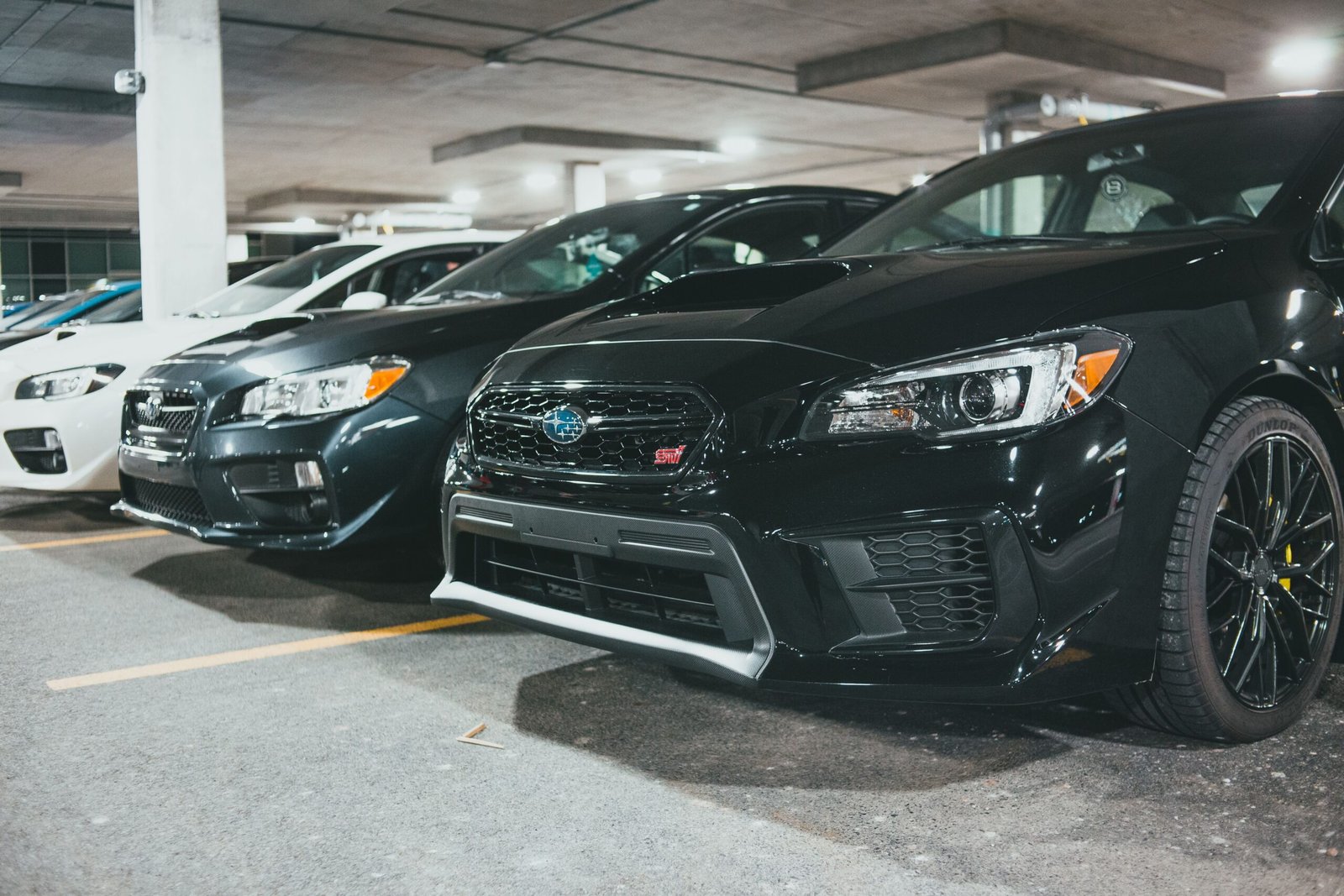
Choosing the right car is an important decision, especially when you are planning to invest your money in a vehicle that meets your daily needs. Two of the most popular vehicle categories in the automotive market are sedans and SUVs. Both offer unique advantages, modern features, comfortable interiors, and impressive performance. However, they are designed for different driving preferences and lifestyles.Sedans are generally known for their stylish appearance, smooth handling, better fuel efficiency, and comfortable driving experience. On the other hand, SUVs are popular because of their spacious interiors, higher ground clearance, powerful performance, and versatility.But which one should you choose? The answer depends on your budget, family size, driving habits, road conditions, and personal preferences.In this article, we will compare sedans and SUVs based on price, performance, fuel economy, comfort, safety, maintenance, and practicality to help you decide which type of car is right for you.1. What Is a Sedan? A sedan is a passenger car with a traditional three-box design, featuring a separate engine compartment, passenger cabin, and luggage trunk. Sedans usually have four doors and seating for four to five passengers.They are designed mainly for comfortable city driving, highway travel, and everyday transportation.Popular sedan models include:
- Toyota CorollaHonda CivicToyota CamryHyundai ElantraMercedes-Benz C-Class
Main advantages of sedans:
- Better fuel efficiency in many comparable vehicle categories.Smooth and comfortable driving experience.Easier parking in crowded areas.Lower centre of gravity for stable handling.Often lower purchase prices than similarly equipped SUVs.
Sedans are an excellent choice for individuals, couples, and small families who mainly drive on paved roads.2. What Is an SUV?

An SUV, or Sports Utility Vehicle, is a vehicle designed to provide additional passenger space, higher ground clearance, and greater versatility. SUVs generally have a taller body, higher seating position, and larger cargo area than sedans.Some SUVs are designed primarily for city driving, while others are built for off-road adventures and challenging road conditions.Popular SUV models include:
- Toyota RAV4Hyundai TucsonKia SportageToyota FortunerHonda CR-V
Main advantages of SUVs:
- Higher ground clearance.More flexible luggage and cargo space.Higher seating position.Greater versatility for different road conditions.Available all-wheel-drive and four-wheel-drive systems.
SUVs are suitable for larger families, adventure enthusiasts, and people who need extra space and practicality.3. Sedan vs SUV: Performance and Driving ExperiencePerformance is one of the most important factors when comparing sedans and SUVs.Sedans generally offer better handling because they have a lower centre of gravity and a lighter body. This makes them easier to control when turning corners and changing lanes. They also provide a smooth driving experience, especially on highways.SUVs usually have a taller body and greater weight. Many models offer powerful engines and advanced driving systems. Their higher ground clearance makes them more suitable for uneven roads, speed breakers, and certain off-road conditions.However, not every SUV has better performance than a sedan. Engine capacity, transmission, suspension, and vehicle weight all influence driving performance.Winner: Sedans are generally better for sporty handling and everyday road performance, while SUVs are better for versatility and difficult road conditions.4. Fuel Efficiency: Which One Saves More Money?Fuel economy is a major consideration for car buyers because petrol and diesel expenses can significantly affect the monthly budget.Sedans generally consume less fuel than similarly powered SUVs because they are usually lighter and have better aerodynamics. This makes them a practical choice for people who drive long distances or commute daily.SUVs are often heavier and have larger engines, which can increase fuel consumption. However, modern hybrid SUVs have improved efficiency considerably.For example, a hybrid sedan such as the Toyota Camry can offer excellent fuel economy, while hybrid SUVs such as the Toyota RAV4 provide a balance between efficiency and additional space.Winner: Sedans generally offer better fuel economy, although hybrid SUVs can be competitive.5. Comfort and Interior SpaceComfort is another important factor, especially for families who frequently travel together.Sedans provide comfortable seating, a quiet cabin, and a smooth ride. Their lower seating position may also appeal to drivers who prefer a traditional car-like driving experience.SUVs generally offer more headroom and a higher seating position. Many models provide flexible seating arrangements, foldable rear seats, and larger cargo areas.For families with children, luggage, shopping bags, or travel equipment, SUVs can provide additional convenience.However, a large sedan can sometimes offer more rear-seat legroom than a smaller SUV.Winner: SUVs generally offer greater flexibility and cargo capacity, while sedans provide excellent comfort for everyday passenger travel.6. Safety: Which Vehicle Is Safer?Safety should always be a priority when purchasing a new vehicle.Modern sedans and SUVs can both offer advanced safety features, including:
- Anti-lock braking systems (ABS).Electronic stability control.Multiple airbags.Blind-spot monitoring.Lane-keeping assistance.Automatic emergency braking.Rear parking cameras and sensors.
SUVs provide a higher driving position, which some drivers prefer because it improves their view of surrounding traffic.However, their higher centre of gravity can increase rollover risk in certain situations. Sedans generally have a lower centre of gravity, which helps with stability.The actual safety of a vehicle depends on its design, crash-test results, safety equipment, and driver behaviour.Winner: There is no universal winner. Always compare independent crash-test ratings and standard safety features before purchasing.7. Price and Maintenance CostsBudget is one of the biggest factors when deciding between a sedan and an SUV.Sedans are often more affordable than SUVs with similar engines and equipment. Their smaller tyres, lighter components, and lower fuel consumption can also help reduce ownership expenses.SUVs generally cost more because of their larger body structures, additional equipment, and greater interior space. Some models also require more expensive tyres and replacement parts.Maintenance costs depend heavily on the brand, model, availability of spare parts, and vehicle condition.In Pakistan, popular sedans such as the Toyota Corolla and Honda Civic often benefit from established service networks. Popular SUVs such as the Kia Sportage, Hyundai Tucson, and Toyota Fortuner also have dedicated service facilities, although ownership expenses vary considerably.Winner: Sedans generally provide better affordability, while SUVs may offer greater practicality for buyers who can manage the additional expenses.8. Ground Clearance and Road ConditionsRoad conditions can strongly influence your decision, particularly in areas where roads are uneven or damaged.Sedans usually have lower ground clearance. This provides better stability but can make driving over large speed breakers, potholes, and rough surfaces more challenging.SUVs offer higher ground clearance, which helps drivers navigate uneven roads and certain obstacles more comfortably.For people who frequently travel to mountainous areas, rural locations, or destinations with rough roads, an SUV may be a more practical option.However, ground clearance alone does not make every SUV suitable for serious off-roading. Four-wheel drive, tyres, suspension, and vehicle construction also matter.Winner: SUVs are generally better for rough roads and challenging driving conditions.9. Which Car Is Better for City Driving?City driving involves traffic congestion, narrow streets, parking difficulties, and frequent stopping.Sedans are often easier to drive and park in crowded urban environments because of their smaller dimensions and lower weight. They also tend to offer better fuel efficiency during everyday commuting.SUVs provide better visibility from their elevated driving position and may handle uneven urban roads more comfortably. However, larger SUVs can be difficult to park in tight spaces.For people who mainly travel within cities such as Karachi, Lahore, and Islamabad, the best choice depends on parking availability, road conditions, and daily travel requirements.Winner: Sedans are generally more convenient for city commuting, while compact SUVs offer a useful balance between space and practicality.10. Sedan vs SUV: Quick ComparisonFeatureSedanSUVFuel economyGenerally betterGenerally lowerGround clearanceLowerHigherInterior spaceComfortableGenerally more spaciousCargo capacitySeparate trunkFlexible cargo areaHandlingMore car-likeDepends on modelParkingEasierCan be difficultPurchase priceOften lowerOften higherOff-road abilityLimitedBetter in suitable modelsFamily practicalityGoodExcellentDriving positionLowerHigherWhich One Should You Choose?Choosing between a sedan and an SUV ultimately depends on your lifestyle and priorities.Choose a sedan if:
- You want better fuel efficiency.You mainly drive in urban areas.You prefer smooth handling and highway comfort.You have a limited purchasing budget.You do not regularly need additional cargo space.
Choose an SUV if:
- You have a larger family.You frequently travel with luggage.You drive on uneven or damaged roads.You prefer higher ground clearance.You enjoy road trips and outdoor adventures.
ConclusionBoth sedans and SUVs have their own advantages, and neither category is perfect for every driver. Sedans are generally more affordable, fuel-efficient, and easier to handle in busy cities. SUVs provide additional space, higher ground clearance, and greater versatility for families and people who travel on different types of roads.If your main priorities are affordability, fuel economy, and comfortable daily commuting, a sedan may be the right choice. However, if you need more passenger space, practical cargo capacity, and flexibility for different road conditions, an SUV may be a better investment.Before making your final decision, compare different models, calculate fuel and maintenance expenses, check safety ratings, and take a test drive.The best car is not necessarily the biggest or most expensive one. It is the vehicle that fits your lifestyle, meets your transportation needs, and provides the best value for your money.