
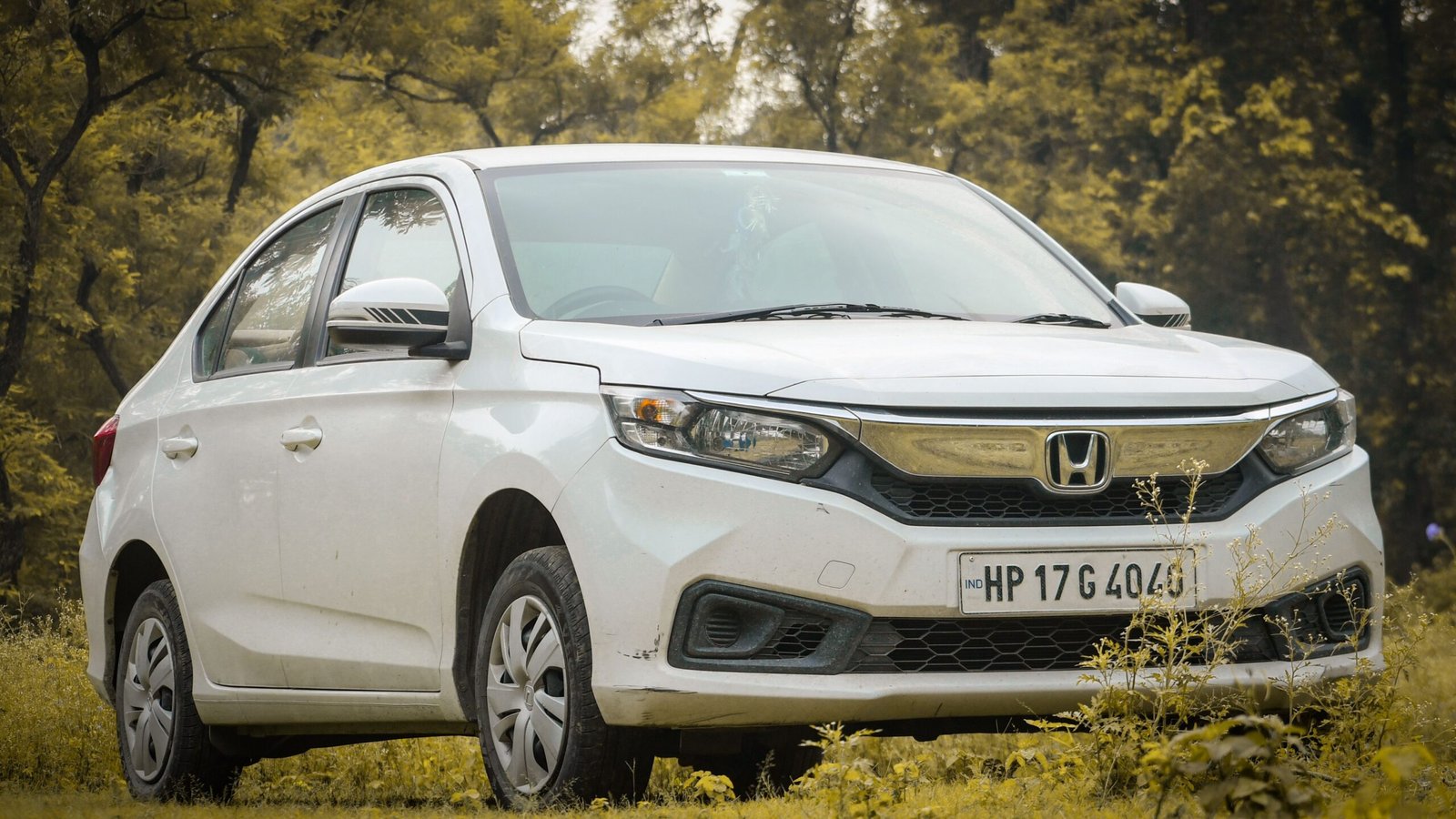
When choosing a reliable and affordable vehicle, Toyota and Honda are two automotive brands that consistently stand out. Both manufacturers have built strong reputations for producing dependable cars, offering modern technology, delivering impressive fuel efficiency, and maintaining competitive resale values.
However, deciding which brand offers better value is not always straightforward. Toyota is widely recognized for its long-term reliability, affordable maintenance, and excellent resale value. Honda, meanwhile, attracts buyers with sporty designs, responsive performance, comfortable interiors, and innovative engineering.
In 2026, both companies continue to offer impressive vehicles across different categories, including compact sedans, family SUVs, hybrid cars, and premium models.
So, which brand should you choose? Let’s compare Toyota and Honda across the most important factors, including reliability, fuel economy, maintenance costs, performance, technology, comfort, and resale value.
1. Reliability: Toyota Takes a Slight Lead
Reliability is one of the most important considerations when purchasing a vehicle. Nobody wants to spend unnecessary money on frequent repairs or unexpected mechanical problems.
Toyota has developed an excellent reputation for producing durable vehicles that can remain dependable for many years when properly maintained. Models such as the Corolla, Camry, RAV4, and Land Cruiser are particularly popular among drivers who prioritize long-term ownership.
Toyota generally follows a conservative engineering approach, refining proven technologies and powertrains to improve durability.
Honda is also known for producing reliable vehicles. Its engines, particularly its established naturally aspirated petrol engines, have earned considerable respect among drivers and automotive enthusiasts.
Models such as the Honda Civic, Accord, and CR-V offer dependable performance and can provide many years of service with regular maintenance.
However, recent reliability rankings sometimes favor Toyota. For example, the 2026 JD Power Vehicle Dependability Study places the Toyota Corolla ahead of the Honda Civic in their compact-car segment.
Winner: Toyota
Toyota has a slight advantage for buyers who prioritize long-term dependability, although Honda remains a strong competitor.
2. Fuel Efficiency: Both Brands Offer Excellent Options
Fuel consumption directly affects the overall cost of vehicle ownership, particularly for people who commute daily or travel long distances.
Toyota has invested heavily in hybrid technology. Its hybrid systems are available across popular models, including the Prius, Corolla, Camry, and RAV4.
These vehicles combine petrol engines with electric motors to improve fuel efficiency, especially in stop-and-go traffic.
Honda also offers impressive fuel-efficient vehicles. Its hybrid technology, featured in models such as the Civic Hybrid and Accord Hybrid, delivers a combination of efficiency and responsive acceleration.
The difference often depends on the particular models being compared.
For example:
- Toyota Corolla Hybrid is an excellent option for economical everyday transportation.
- Honda Civic Hybrid offers a strong balance of fuel efficiency and driving performance.
- Toyota Camry Hybrid provides an efficient and comfortable midsize sedan experience.
- Honda Accord Hybrid combines impressive efficiency with a spacious interior.
In markets with heavy traffic, hybrid vehicles from either manufacturer can offer meaningful fuel savings.
Winner: Toyota
Toyota has a broader established hybrid lineup in many markets, giving it an advantage for buyers who prioritize fuel economy.
3. Maintenance and Repair Costs: Toyota Offers Practical Ownership
Maintenance costs are another important factor when comparing Toyota and Honda.
Toyota vehicles are generally affordable to maintain because replacement parts are widely available, independent mechanics are familiar with their engineering, and many models use well-established mechanical components.
Popular Toyota vehicles such as the Corolla and Yaris are particularly attractive to budget-conscious owners.
Honda also offers reasonable maintenance costs, although certain components and specialized repairs can be more expensive depending on the model and market.
For example, turbocharged engines, advanced transmissions, and hybrid systems may require specialized servicing.
Parts availability also varies by country. In markets such as Pakistan, the Toyota Corolla benefits from an extensive network of mechanics and readily available aftermarket parts. Honda Civic parts are also widely available, although some specialized components can cost more.
Regular servicing, genuine replacement parts, and proper maintenance schedules are essential for both brands.
Winner: Toyota
Toyota generally offers a practical advantage in maintenance affordability and service accessibility.
4. Resale Value: Toyota Is a Strong Investment
Resale value is particularly important for buyers who plan to replace their vehicles after three to five years.
A car that retains a higher percentage of its original purchase price can significantly reduce the overall cost of ownership.
Toyota has traditionally performed exceptionally well in this area. Models such as the Corolla, Fortuner, Land Cruiser, and Hilux attract strong demand in many used-car markets.
The reasons include:
- Strong brand reputation.
- High demand in the secondhand market.
- Widespread parts availability.
- Established reliability.
- Familiarity among mechanics and buyers.
Honda also maintains impressive resale values. The Civic and CR-V are particularly popular among used-car buyers who appreciate their styling, comfort, and performance.
However, Toyota often has an advantage in overall value retention. According to 2026 resale-value rankings published by CarEdge, Toyota leads among popular automotive brands, while Honda also performs strongly.
In Pakistan, the Corolla is particularly popular because of its strong resale demand and widespread maintenance support. The Civic also maintains a loyal customer base, especially among buyers looking for a more premium driving experience.
Winner: Toyota
Toyota is generally the safer choice for buyers who prioritize resale value.
5. Performance and Driving Experience: Honda Has the Edge
While Toyota focuses heavily on reliability and practicality, Honda has built a strong reputation for engineering vehicles that are enjoyable to drive.
Honda engines are often appreciated for their responsive acceleration, smooth power delivery, and engaging driving characteristics.
The Civic is an excellent example. Its modern design, responsive steering, and available hybrid powertrain create an enjoyable driving experience.
The Honda Accord also offers a comfortable yet engaging experience for drivers who want a family sedan with a sporty character.
Toyota, on the other hand, generally prioritizes smoothness, comfort, and predictable handling.
However, Toyota also produces performance-focused vehicles, including the GR Corolla, GR86, and GR Supra.
These models demonstrate that Toyota can deliver exciting performance when it chooses to focus on driving enthusiasts.
Winner: Honda
Honda is an attractive choice for drivers who prioritize responsive handling, sporty characteristics, and everyday driving enjoyment.
6. Comfort and Interior Quality: A Close Competition
Interior comfort plays an important role in the overall driving experience.
Toyota vehicles generally feature practical cabin layouts, comfortable seating, durable materials, and straightforward controls.
The Camry and RAV4 offer spacious interiors suitable for families, while the Corolla provides a comfortable experience for everyday commuting.
Honda also performs exceptionally well in this category.
The Civic offers a modern cabin with attractive styling, comfortable seating, and a well-organized dashboard. The Accord provides additional passenger space and a refined interior experience.
Honda frequently emphasizes cabin practicality, visibility, and passenger space.
For example, the Civic is often praised for its interior packaging and cargo capacity compared with the Corolla.
Ultimately, comfort depends on the specific model, trim level, and individual preferences.
Winner: Honda
Honda has a slight advantage in interior space and cabin design in several comparable models, although Toyota remains highly competitive.
7. Technology and Safety Features: Both Brands Are Competitive
Modern vehicles are increasingly equipped with advanced technology designed to improve convenience, connectivity, and road safety.
Toyota offers its Toyota Safety Sense package on many models. Depending on the vehicle and trim, features can include:
- Pre-collision safety systems.
- Adaptive cruise control.
- Lane departure alerts.
- Lane-tracing assistance.
- Automatic high beams.
Honda offers its Honda Sensing technology, which includes several comparable driver-assistance features.
These systems can provide:
- Collision mitigation braking.
- Adaptive cruise control.
- Lane-keeping assistance.
- Road departure mitigation.
- Traffic sign recognition on selected models.
Both manufacturers also offer touchscreen infotainment systems, smartphone connectivity, digital displays, and modern convenience features.
The availability of these technologies varies by country and vehicle configuration.
Winner: Tie
Toyota and Honda both provide competitive safety and technology packages. The better option depends on the specific vehicle and equipment level.
8. Popular Toyota vs Honda Models in 2026
Here is a comparison of some popular models from both manufacturers.
| Category | Toyota | Honda |
|---|---|---|
| Compact sedan | Corolla | Civic |
| Midsize sedan | Camry | Accord |
| Compact SUV | RAV4 | CR-V |
| Subcompact SUV | Yaris Cross | HR-V |
| Three-row SUV | Highlander | Pilot |
| Hybrid sedan | Camry Hybrid | Accord Hybrid |
| Performance car | GR Corolla | Civic Type R |
| Pickup truck | Tacoma | Ridgeline |
Each model serves a different purpose, so buyers should compare similar trims, powertrains, equipment, and prices before making a decision.
9. Toyota vs Honda in Pakistan: Which Is Better?
For Pakistani car buyers, the comparison involves additional considerations such as local assembly, spare parts availability, fuel prices, road conditions, and resale demand.
Toyota has a particularly strong position in Pakistan because of the popularity of its Corolla lineup.
Its widespread service network and strong used-car demand make it an attractive option for families and everyday drivers.
Honda also enjoys considerable popularity, especially through the Civic and City.
The Civic appeals to buyers who appreciate modern styling, comfortable interiors, and stronger driving performance. The City is another practical option for people looking for a compact family sedan.
For Pakistani buyers, the general differences are:
Choose Toyota if you want:
- Strong resale value.
- Widely available replacement parts.
- Affordable routine maintenance.
- A practical family vehicle.
- Long-term ownership confidence.
Choose Honda if you want:
- Sportier exterior styling.
- Engaging driving characteristics.
- Attractive interior design.
- Comfortable passenger space.
- A more performance-oriented experience.
Actual ownership costs depend on the model year, variant, vehicle condition, and availability of genuine parts.
Final Verdict: Toyota vs Honda – Which Brand Offers Better Value?
Both Toyota and Honda offer excellent value in 2026, but their strengths appeal to slightly different types of buyers.
Toyota is generally the better choice for people who prioritize long-term reliability, fuel efficiency, affordable maintenance, and strong resale value. Its extensive model lineup and established hybrid technology make it particularly attractive for practical everyday ownership.
Honda is an excellent alternative for drivers who value sporty performance, modern interior design, responsive handling, and passenger comfort.
Here is the final comparison:
| Buying Priority | Better Choice |
|---|---|
| Long-term reliability | Toyota |
| Fuel efficiency | Toyota |
| Maintenance affordability | Toyota |
| Resale value | Toyota |
| Driving performance | Honda |
| Interior space and design | Honda |
| Safety technology | Tie |
| Overall practicality | Toyota |
| Driving enjoyment | Honda |
Overall winner: Toyota
Toyota takes the overall lead because of its strong combination of reliability, ownership affordability, and resale value.
However, Honda should not be overlooked. Its vehicles offer excellent engineering, attractive designs, and enjoyable driving experiences.
The smartest purchasing decision is not necessarily choosing the brand with the strongest reputation. Instead, compare the specific models, consider your budget, research local maintenance costs, and evaluate your long-term driving requirements.
Whether you choose Toyota or Honda, both brands offer dependable options that can deliver excellent value when properly maintained.